
Our Story
A diverse and determined community confronting human trafficking.
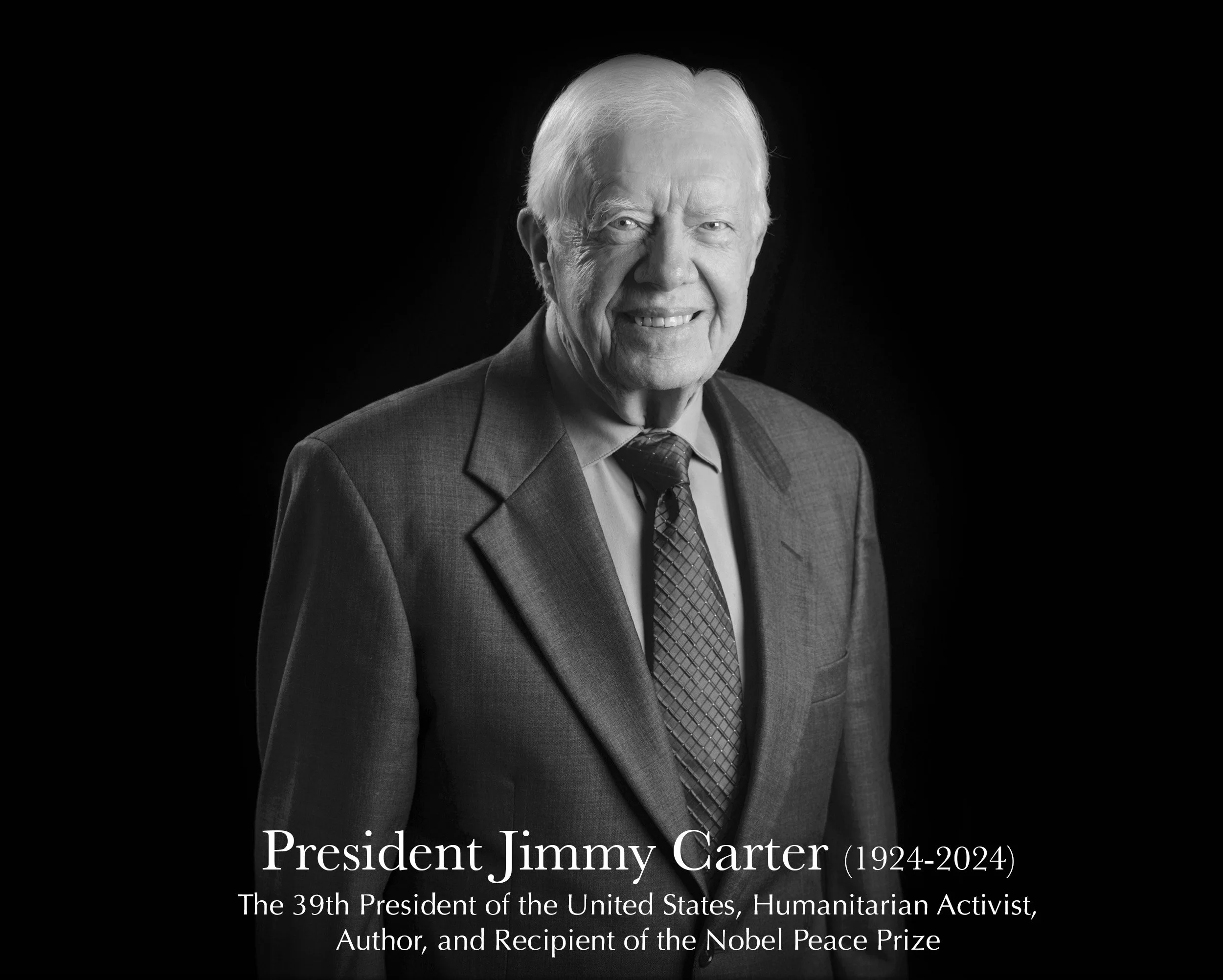
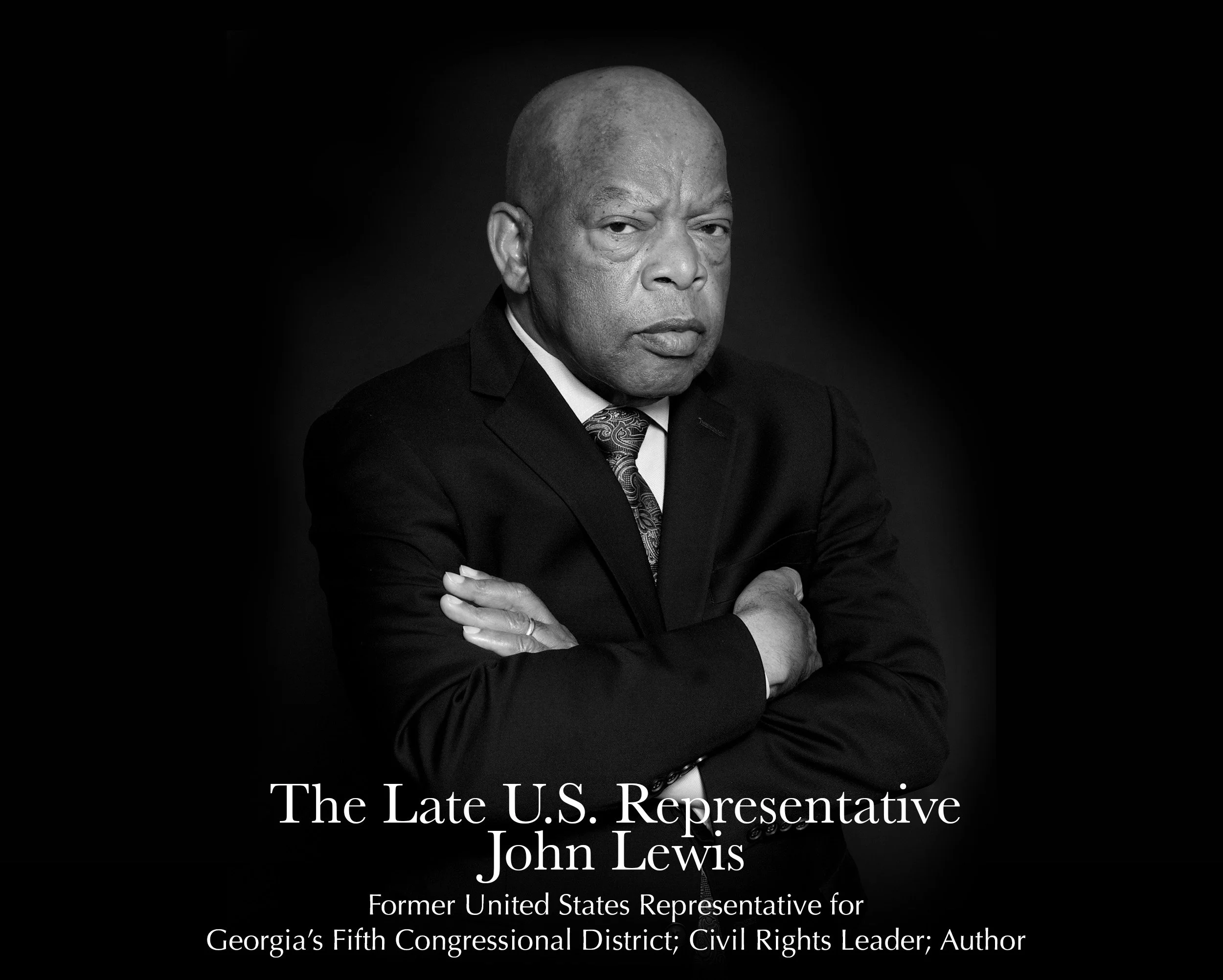
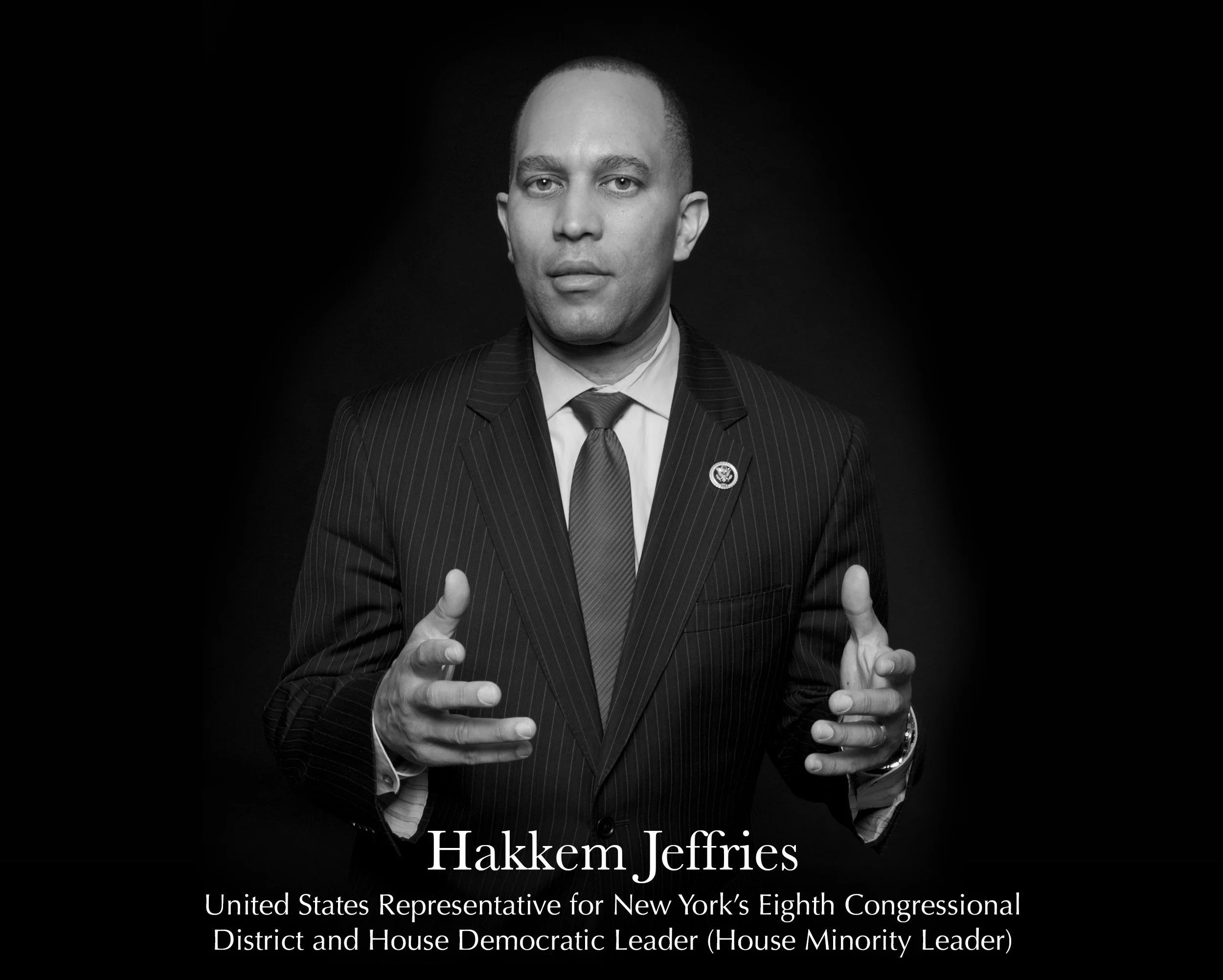
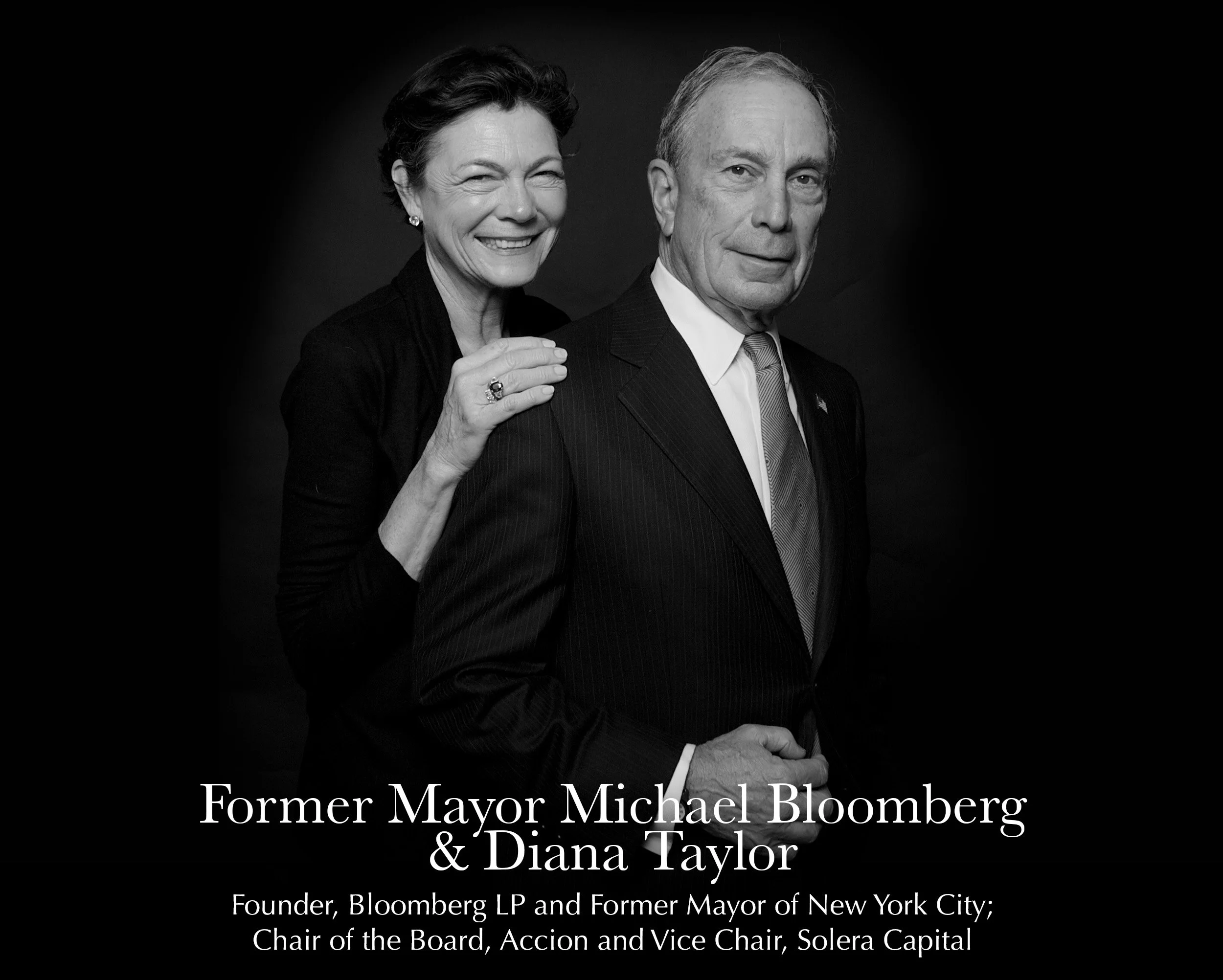
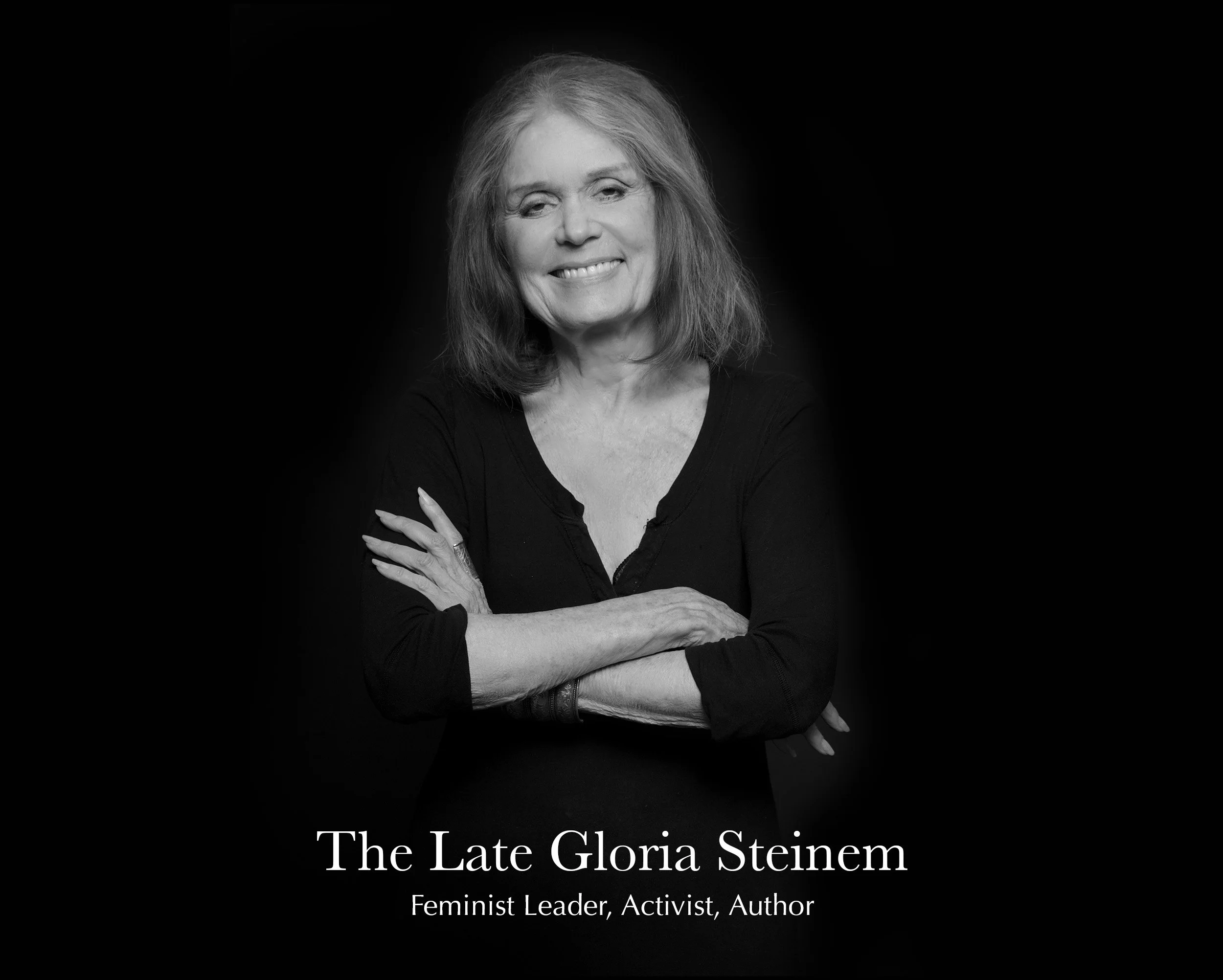
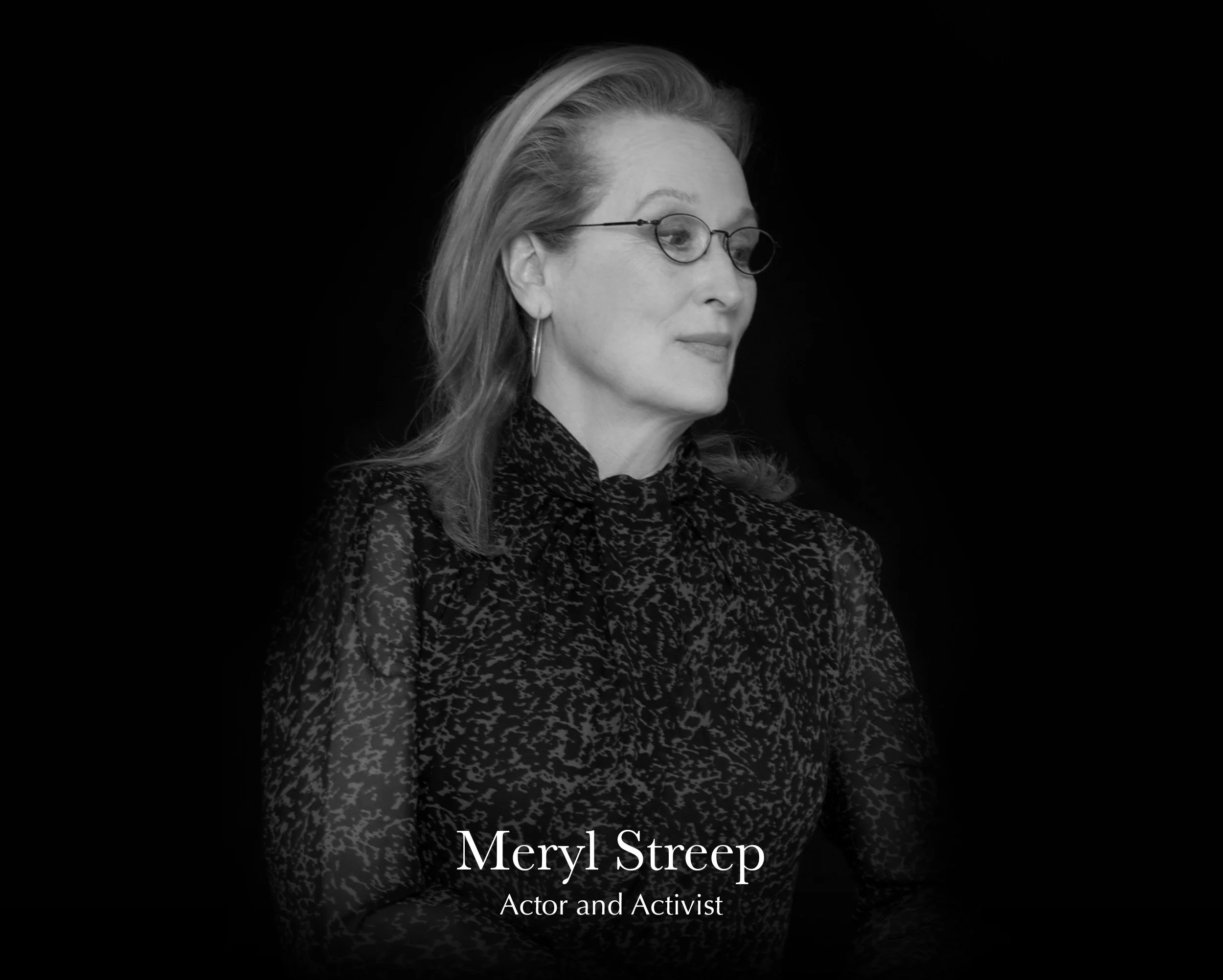


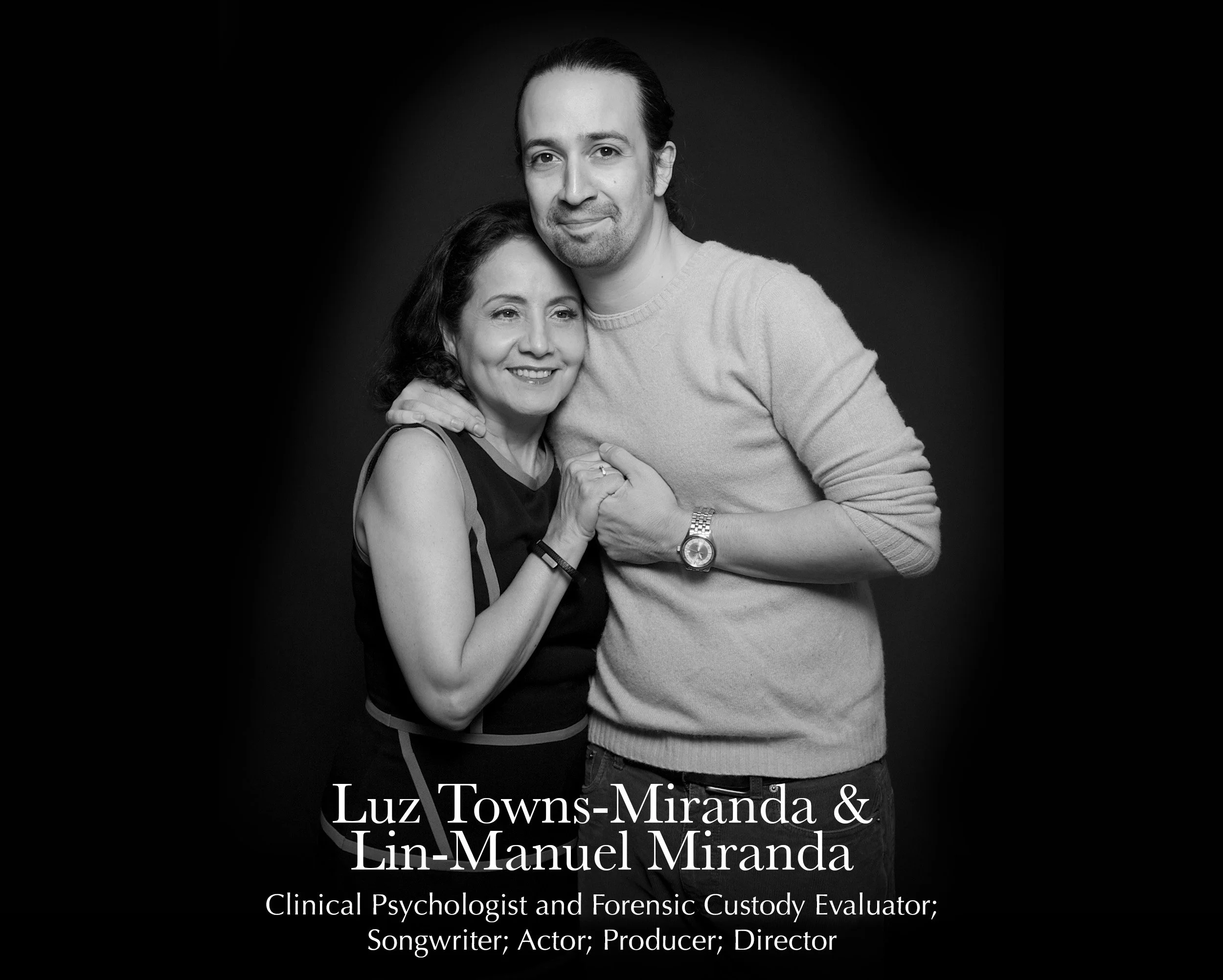
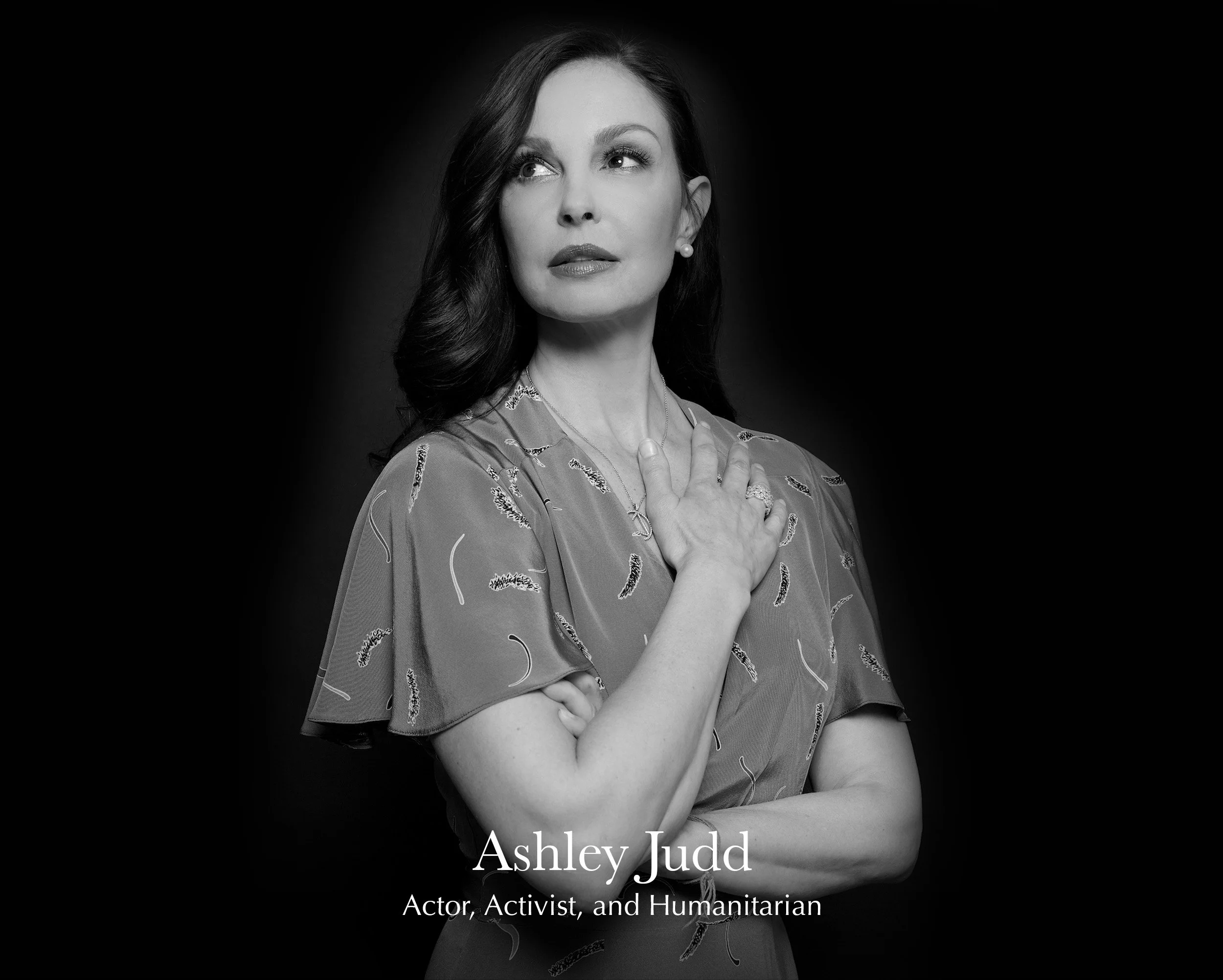
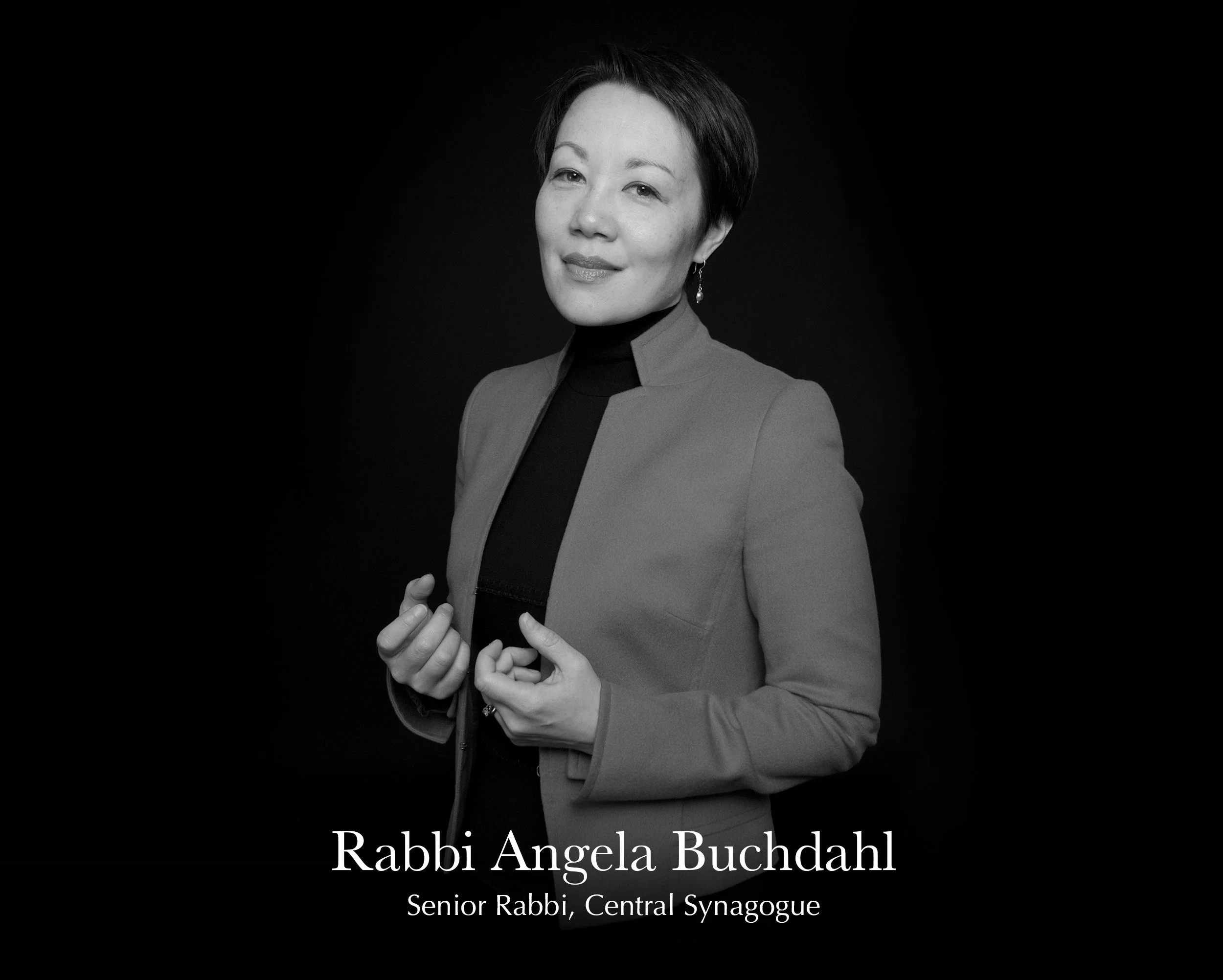
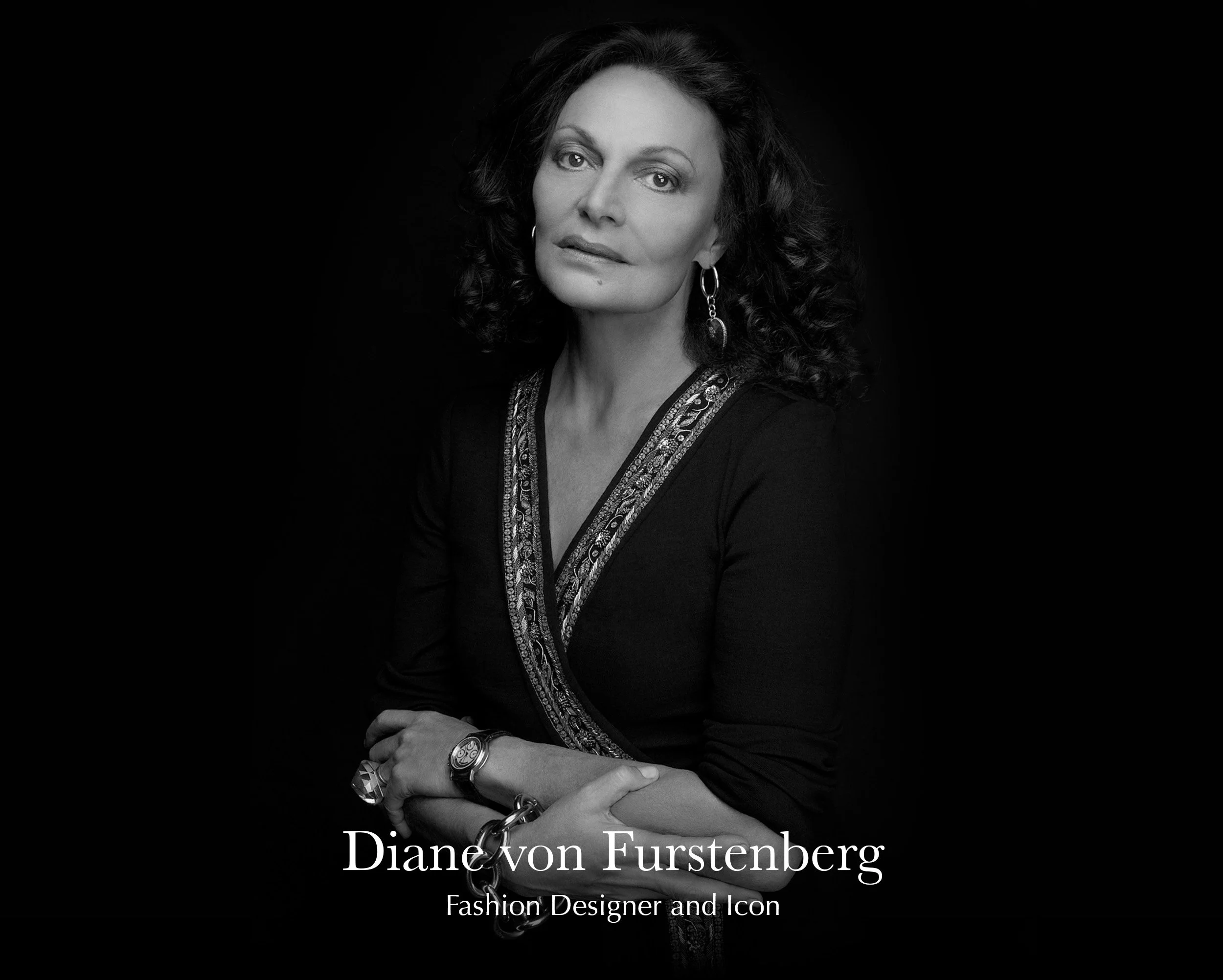
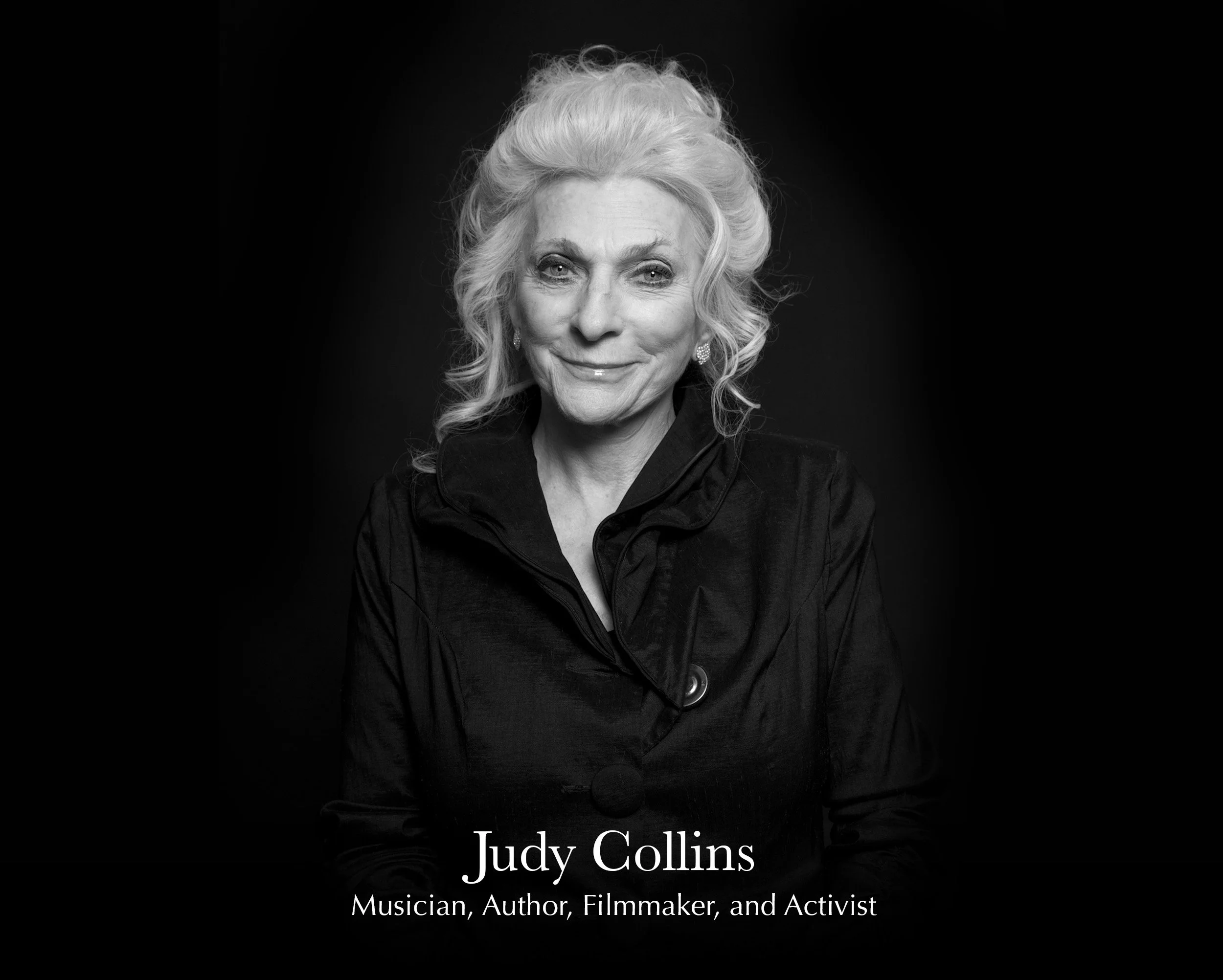
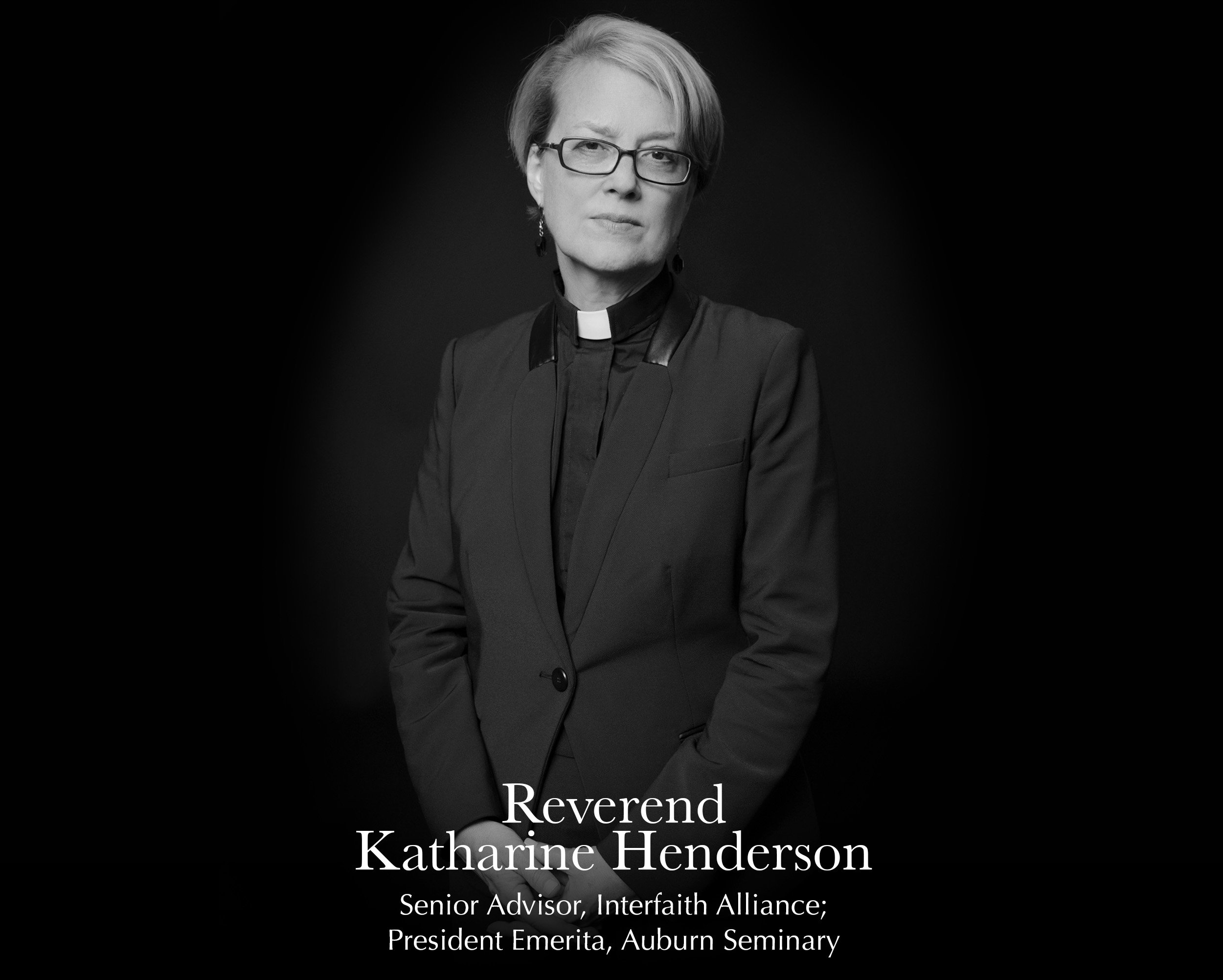
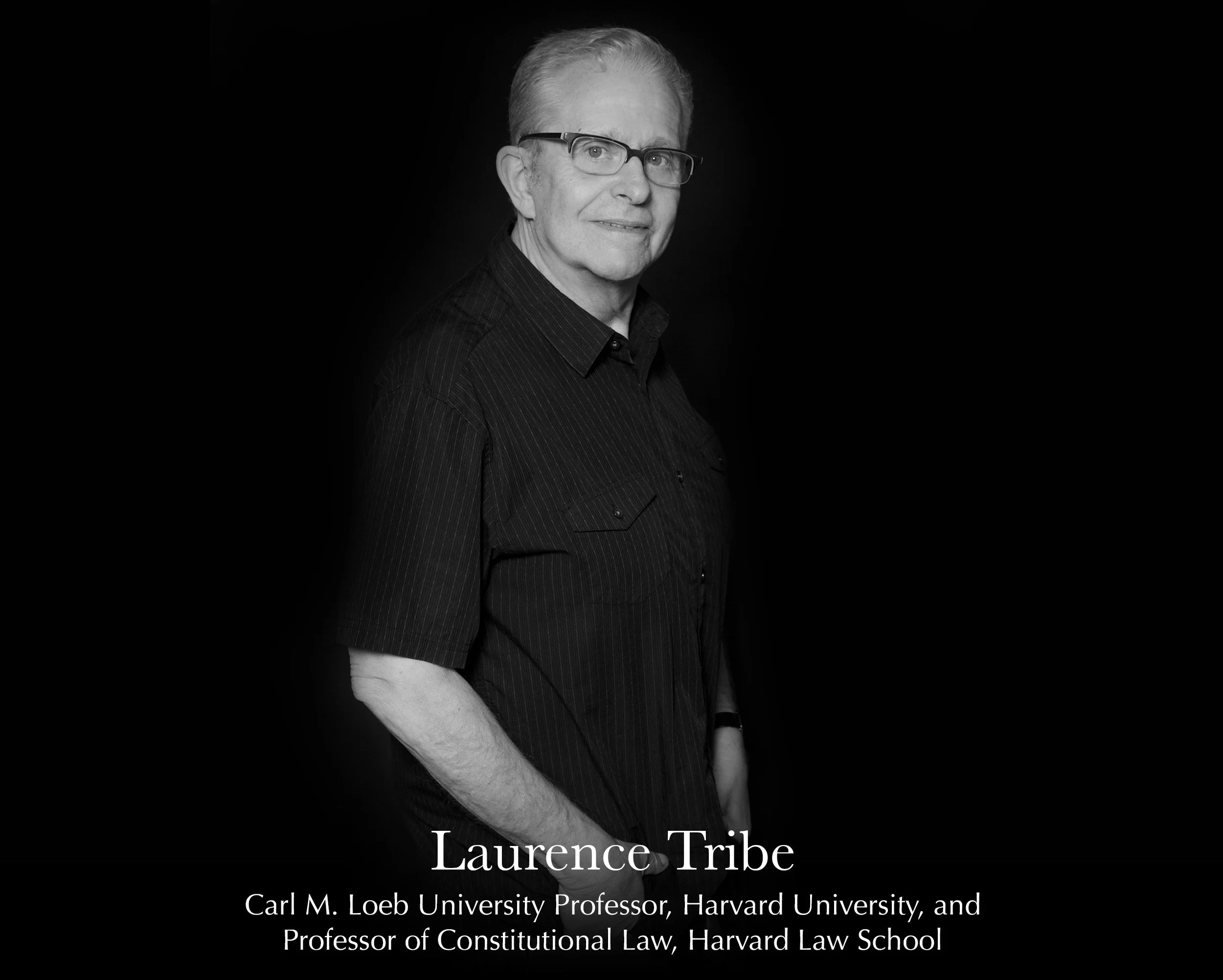

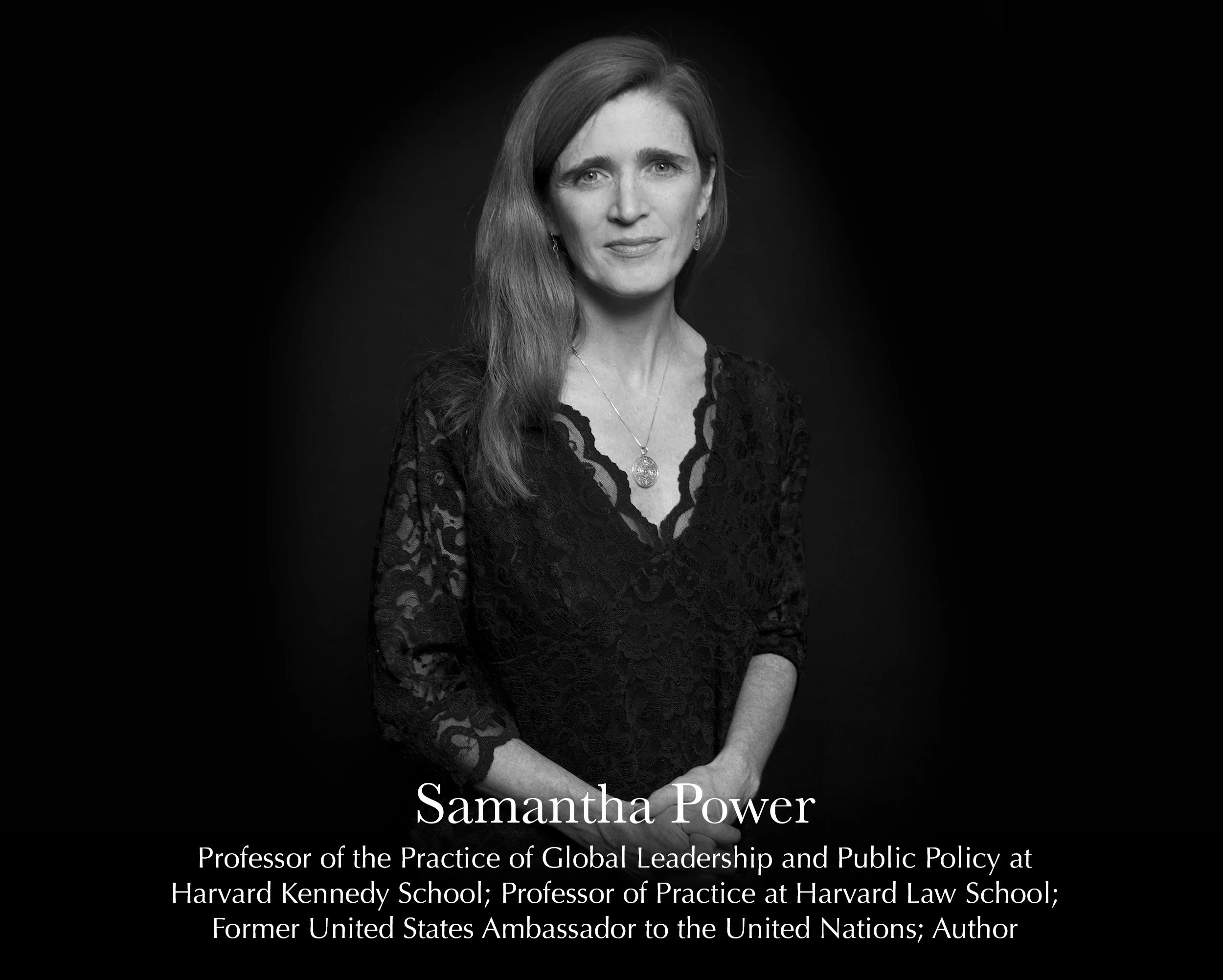
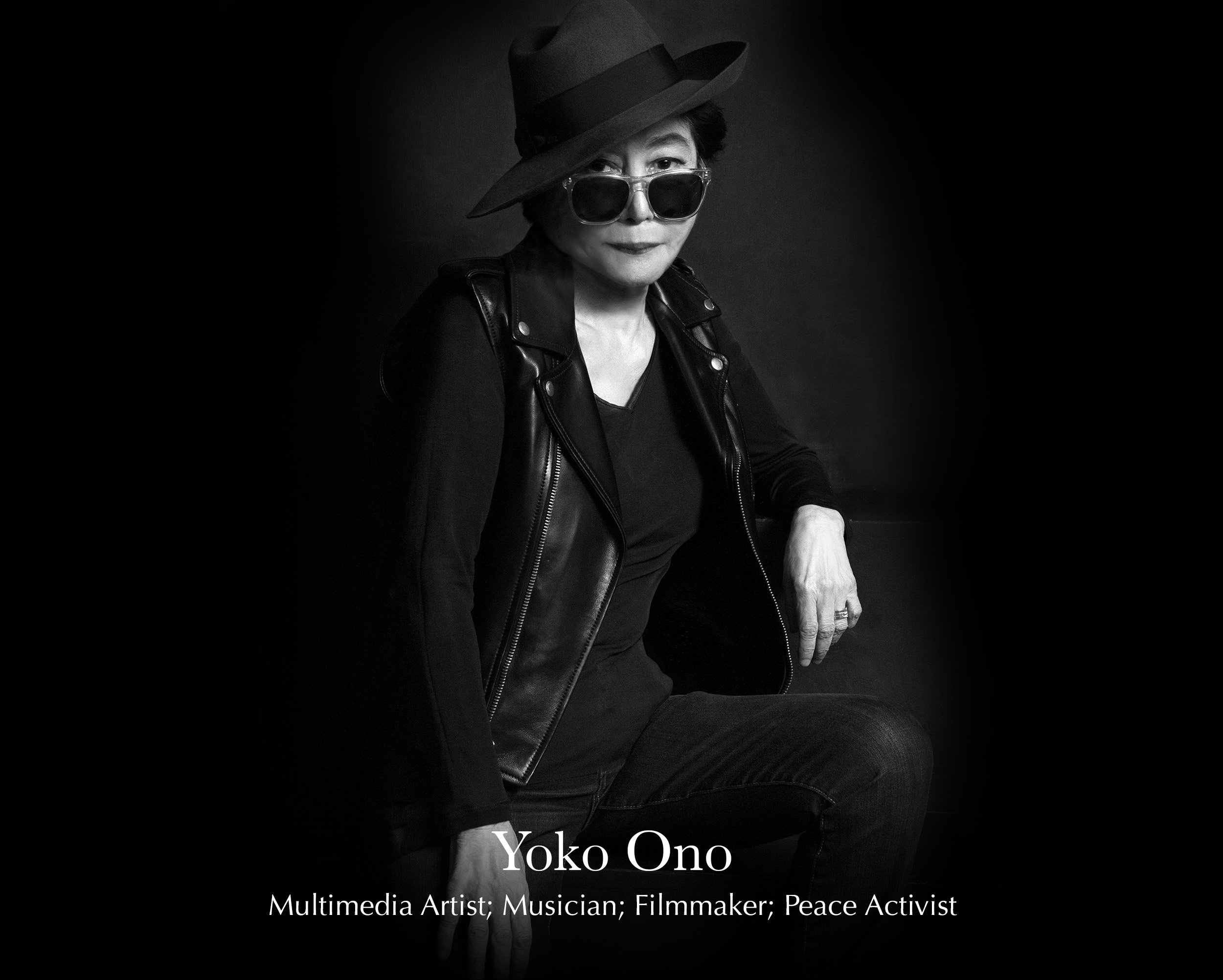
Our community brings together people from every walk of life.
More than one hundred survivor leaders stand at the heart of this movement. Alongside them are advocates working to raise awareness, reform laws, and advance justice.
Our community also includes public servants, artists, scholars, journalists, business leaders, faith leaders, philanthropists, and athletes, including a former President of the United States, former Attorneys General, legislators, judges, mayors, diplomats, and ambassadors.
Some work in the public eye. Many work quietly behind the scenes. Others have passed, but their commitment and legacy continue to inspire our work.
What unites us is a shared conviction: no person should be bought or sold.
This movement is about more than the people it brings together. It is about confronting one of the defining human rights challenges of our time.
Slavery did not disappear with history.
It persists today in hidden rooms, on city streets, online, and within legitimate economies.
Human trafficking exists in every community. Victims include women, men, girls, and boys. Some are brought across borders; many are targeted where they live because of poverty, childhood abuse, homelessness, addiction, or other vulnerabilities.
Traffickers exploit those vulnerabilities through violence, coercion, manipulation, and psychological control.
But traffickers are only part of the system.
Exploitation is sustained by those who profit from vulnerability, by indifference that allows abuse to remain unseen, and by demand that turns human beings into commodities.
Confronting exploitation requires us to look beyond what is visible. It demands that we challenge the systems that allow it to persist and work toward a world where every person can live free from exploitation.
Our movement exists to ensure these stories are seen, these voices are heard, and the realities of modern exploitation can no longer be ignored.
Every generation is called to confront the injustices of its time.
This is ours.