
The Story
When people think of abolitionists, names like Frederick Douglass, Harriet Tubman, Sojourner Truth, and Elizabeth Cady Stanton come to mind. The 19th-century struggle to end slavery was led by extraordinary individuals who believed, with moral clarity, that no human being could ever be treated as property. Their courage reshaped history.
Today, a new generation carries that legacy forward, by confronting modern systems of sexual exploitation and human trafficking through cultural change, legal reform, and public accountability. Our New Abolitionist community is broad and diverse, with members coming from every walk of life. In addition to over 100 trafficking survivors, our New Abolitionist community includes scores of other activists fighting on the front lines to raise awareness; to reform archaic laws; to demand justice and accountability. We also count within our community numerous public servants—from a U.S. President and several former U.S. Attorneys, to federal and state legislators and city mayors and global ambassadors—who have stood up for the abolition of sex and labor trafficking. Dozens of artists—from literary lionesses and iconic actors to musical maestros and Broadway and tv legends-- have also joined our community, as have brilliant scholars, faith leaders, judges, doctors, lawyers, journalists, and athletes.
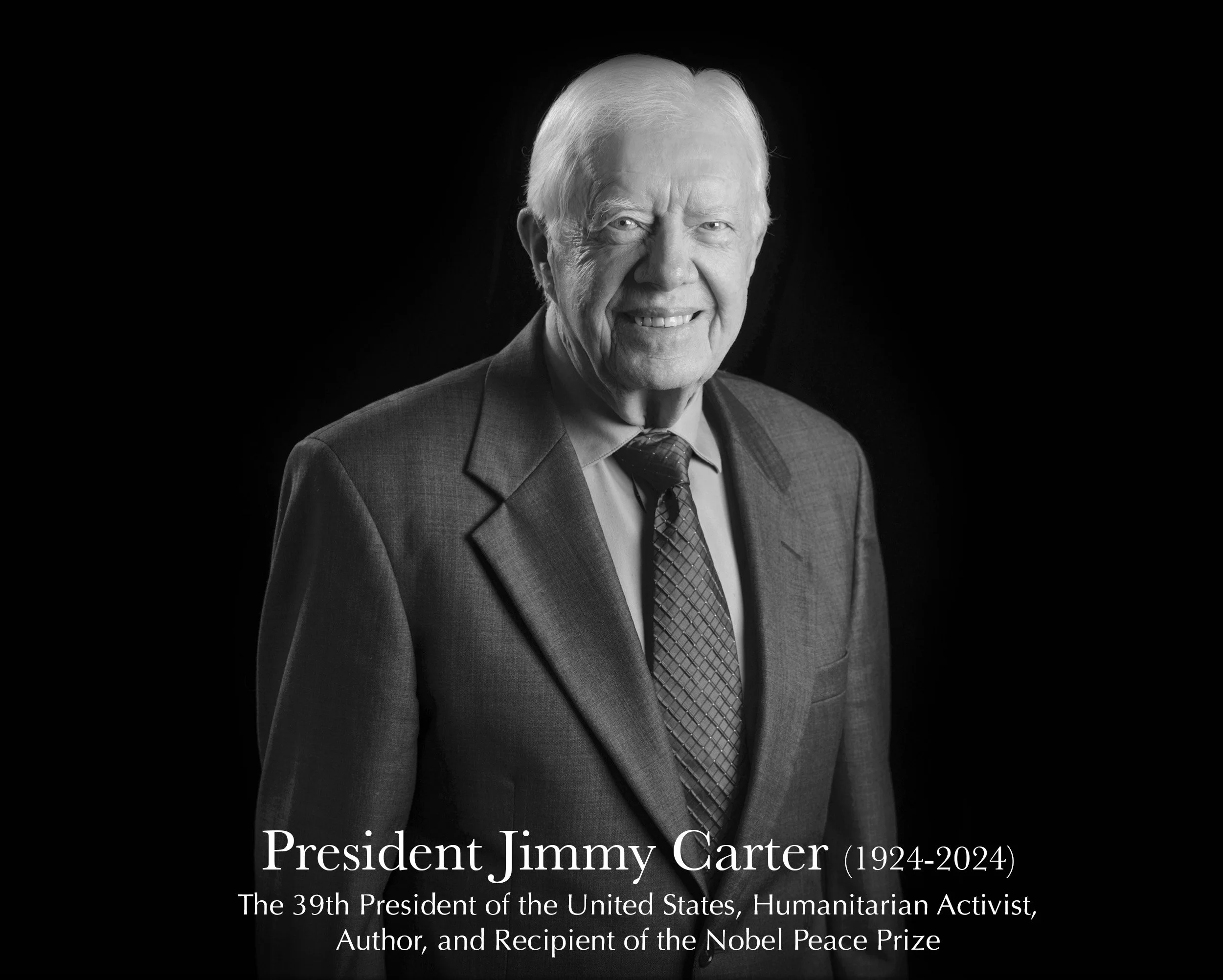
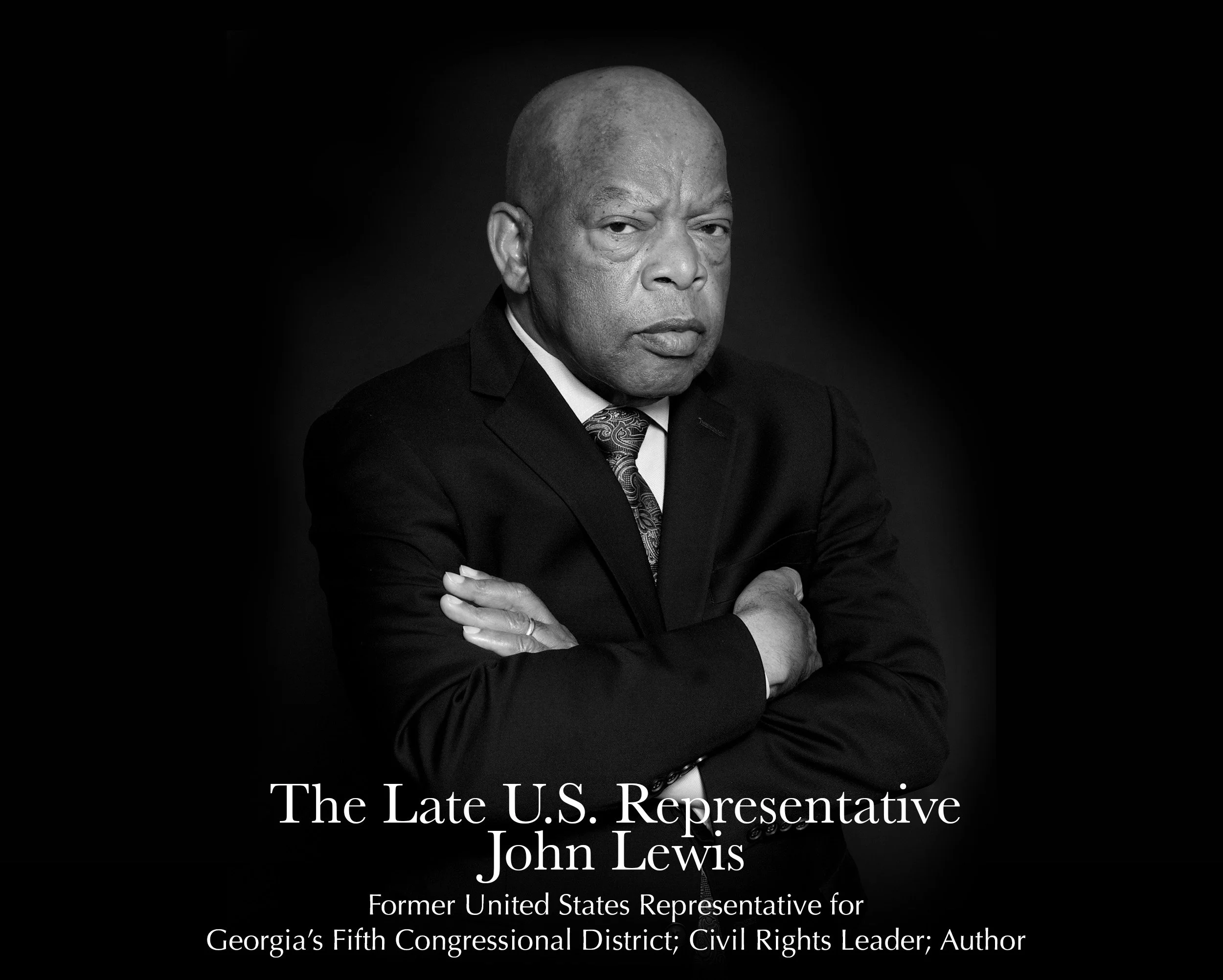
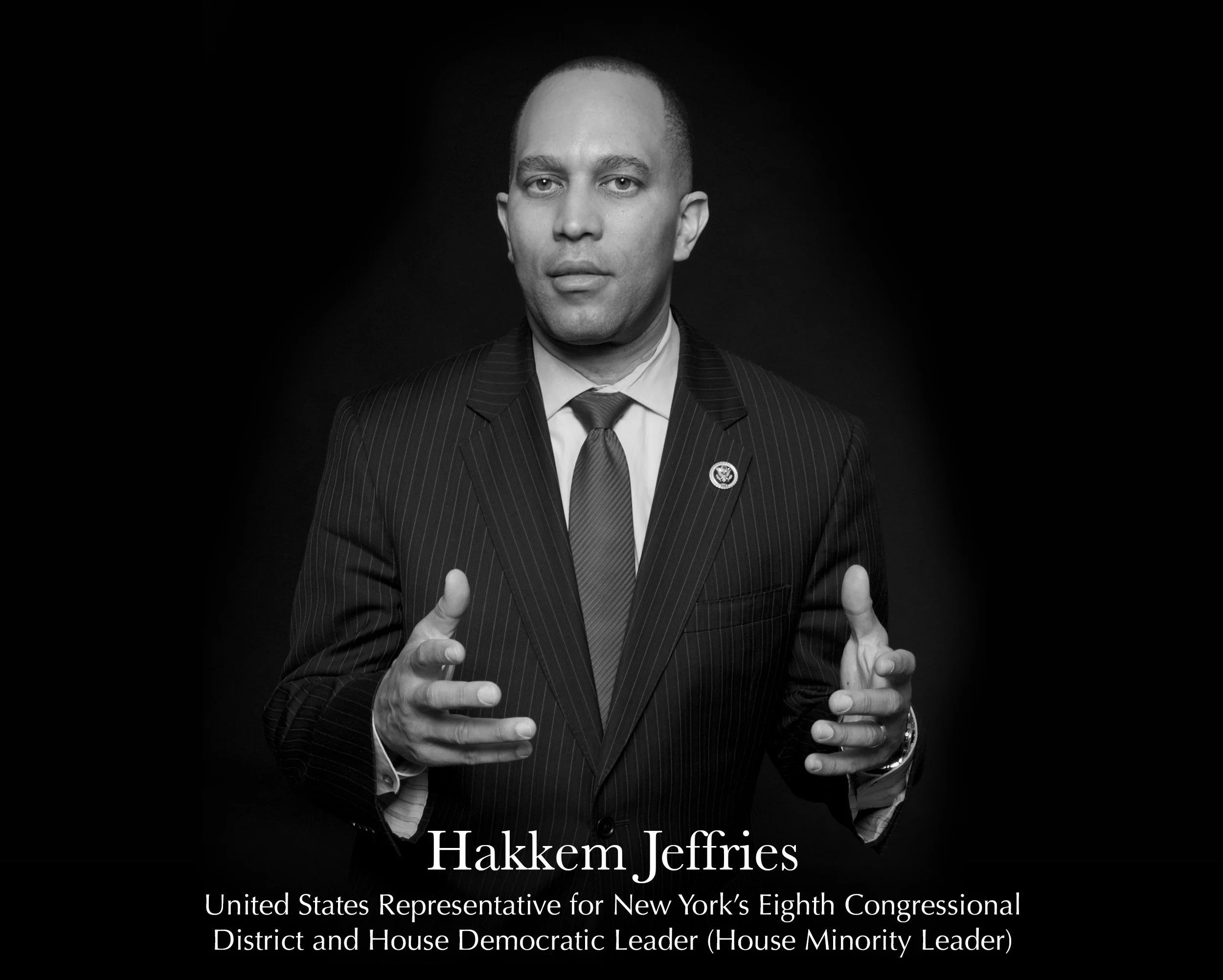

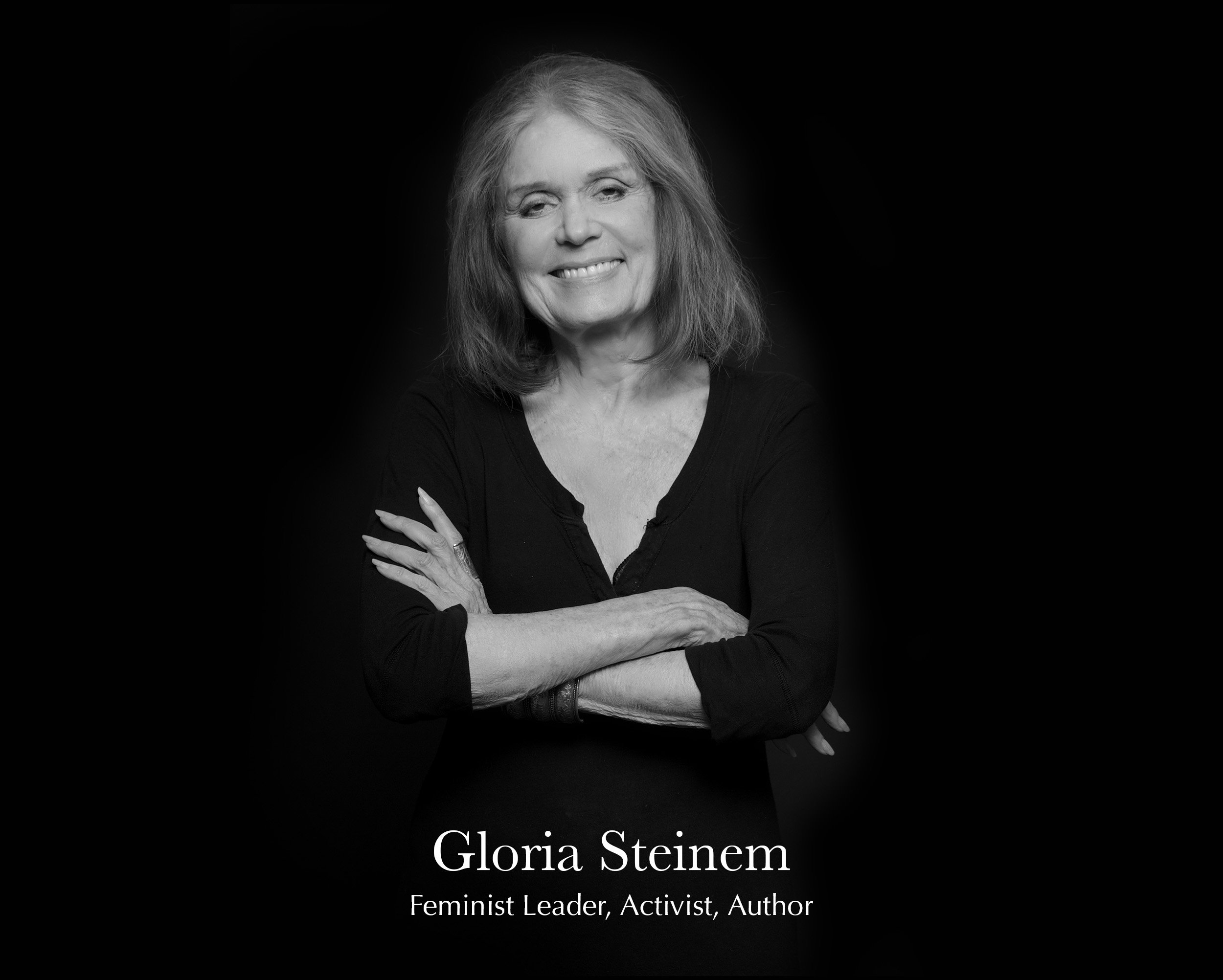
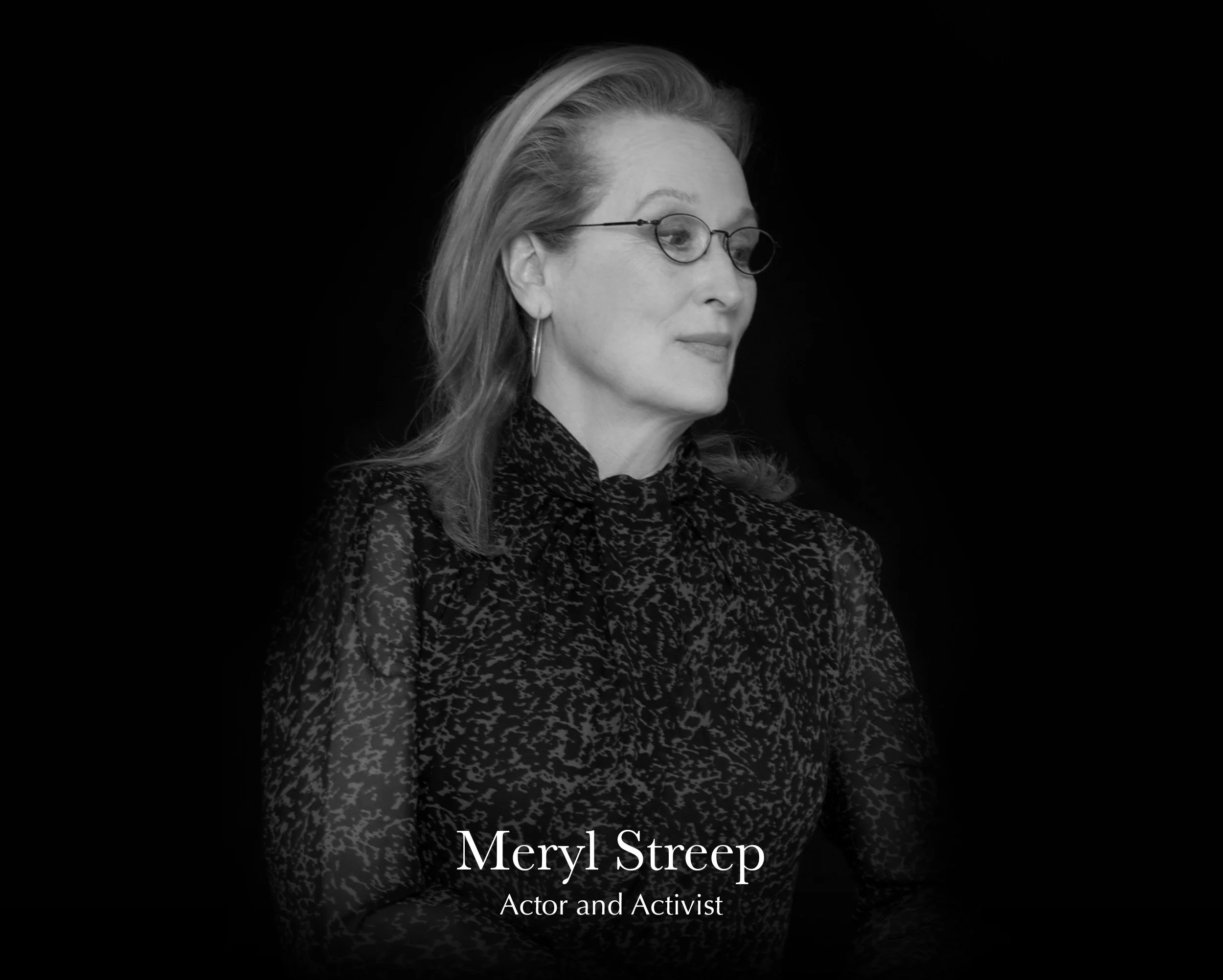
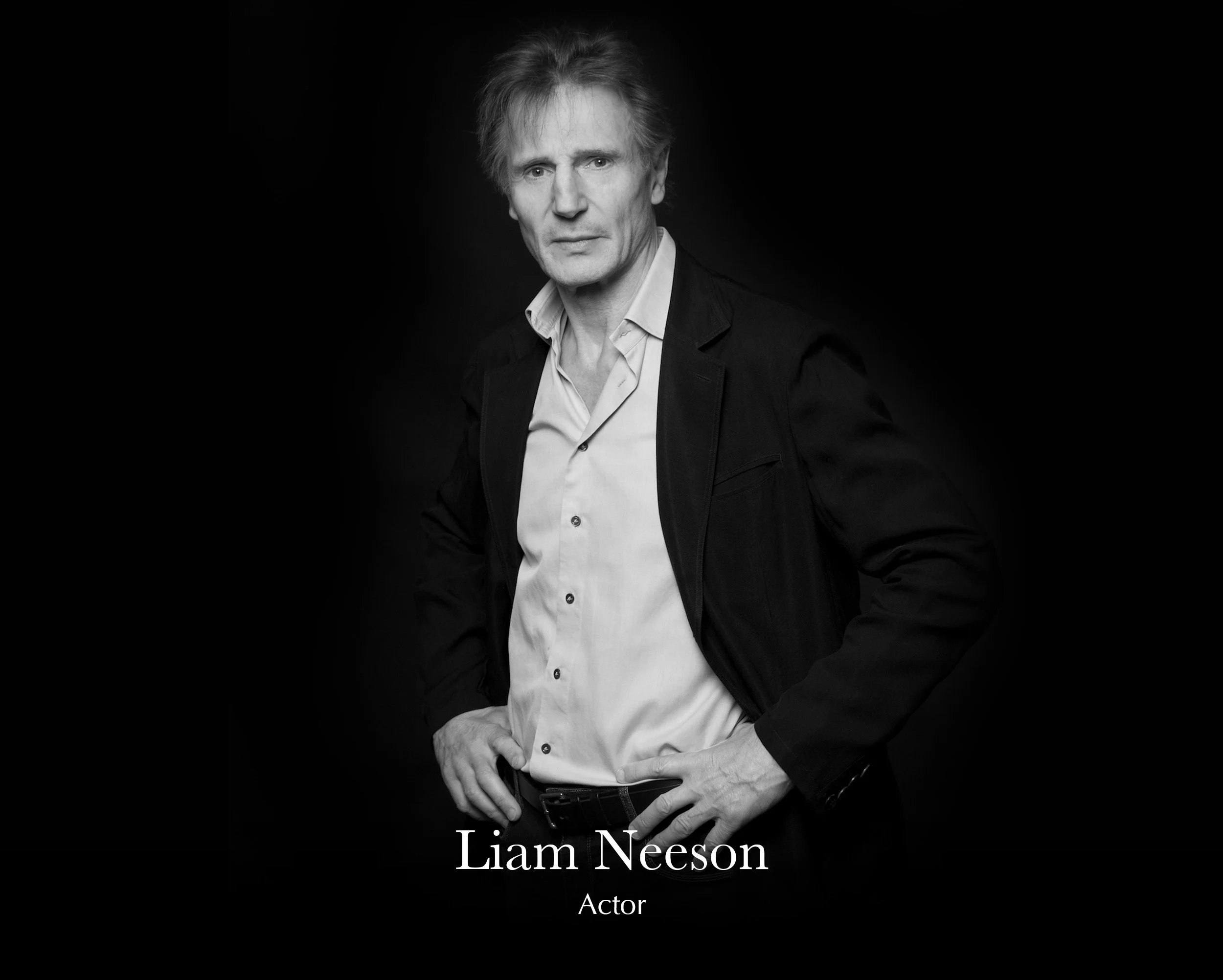

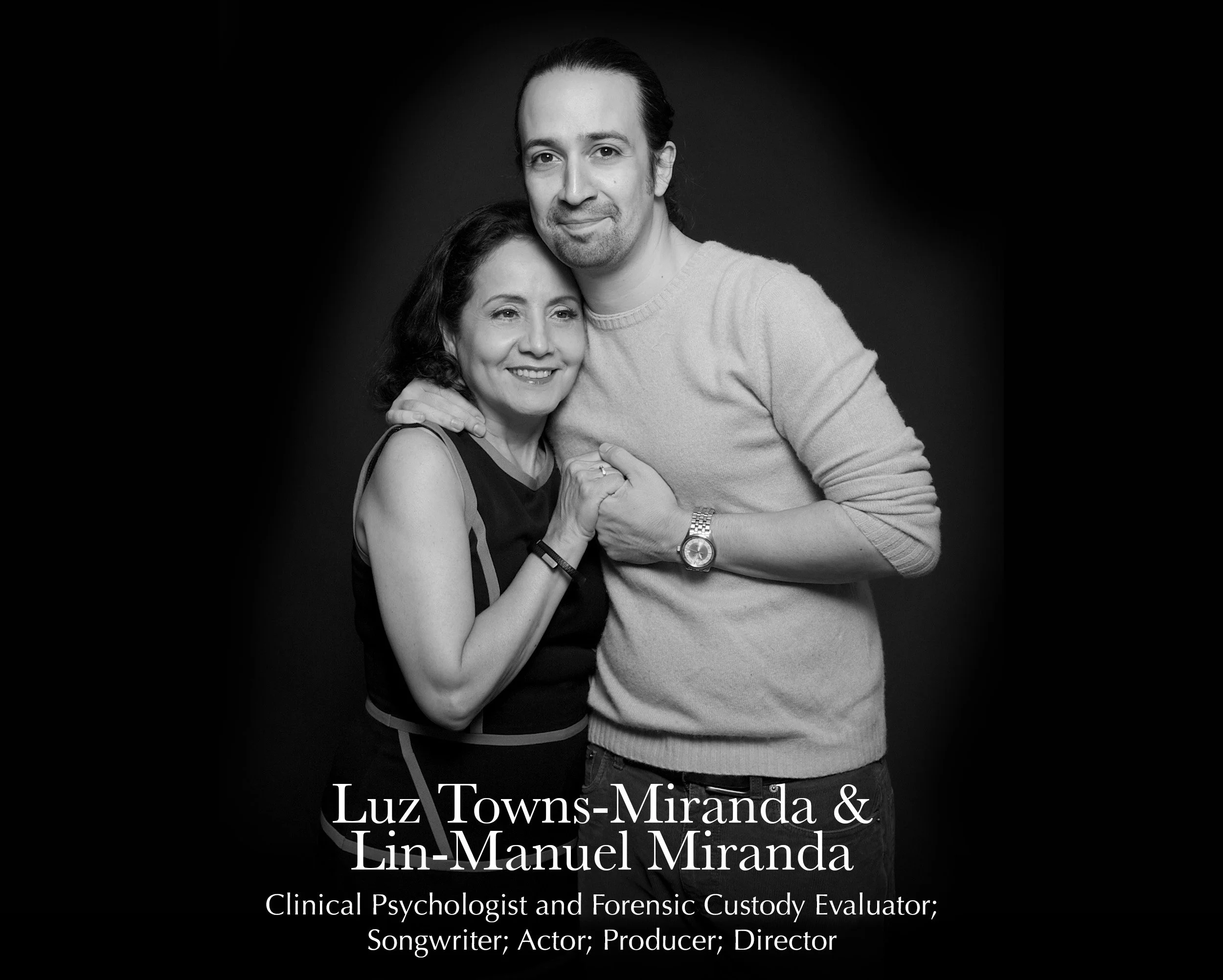
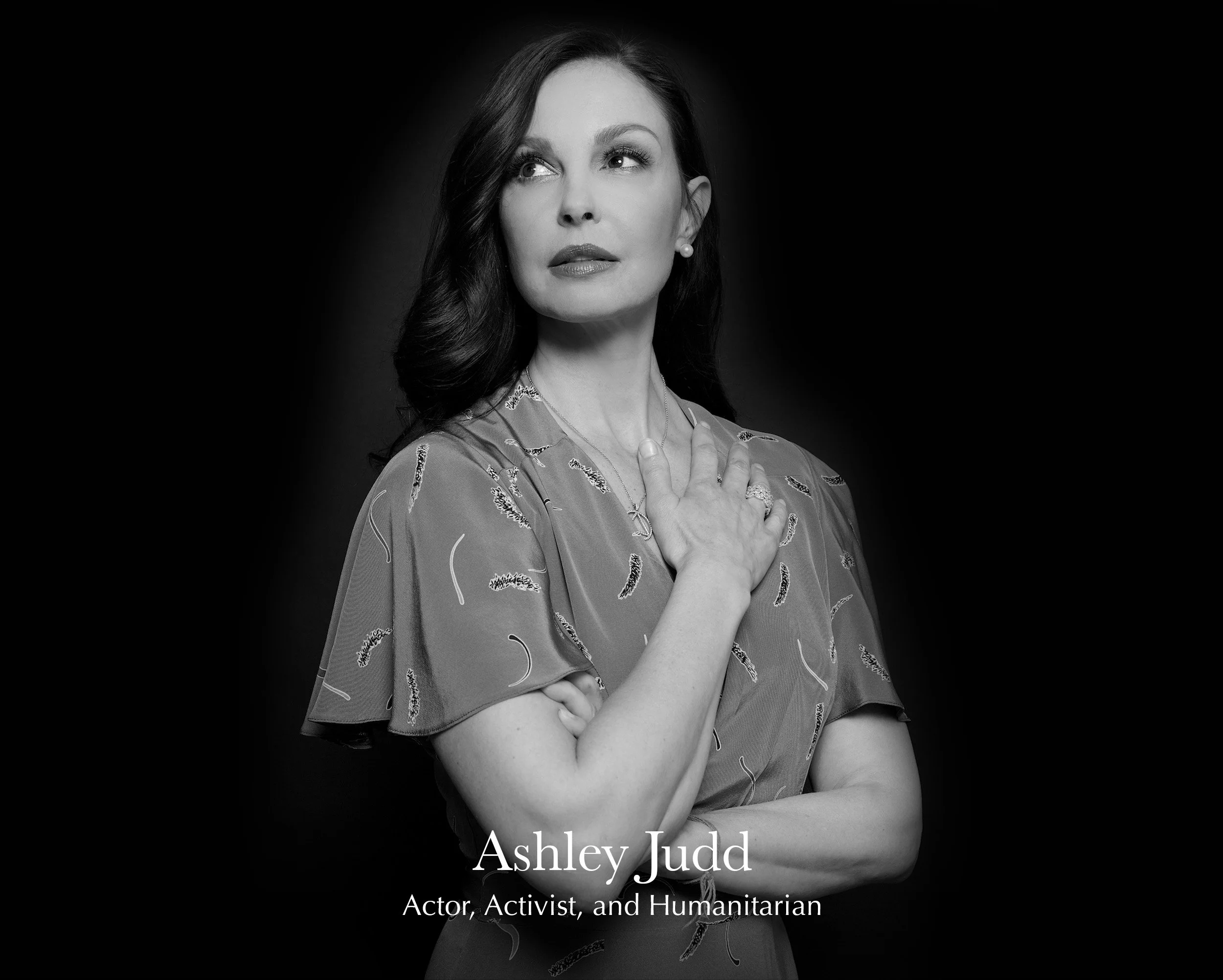
Many of our New Abolitionists work in the public eye; many more labor quietly behind the scenes. Some have passed since first recruited, but whose indomitable spirits remain alive. What unites us all is a shared conviction: human dignity is not negotiable.
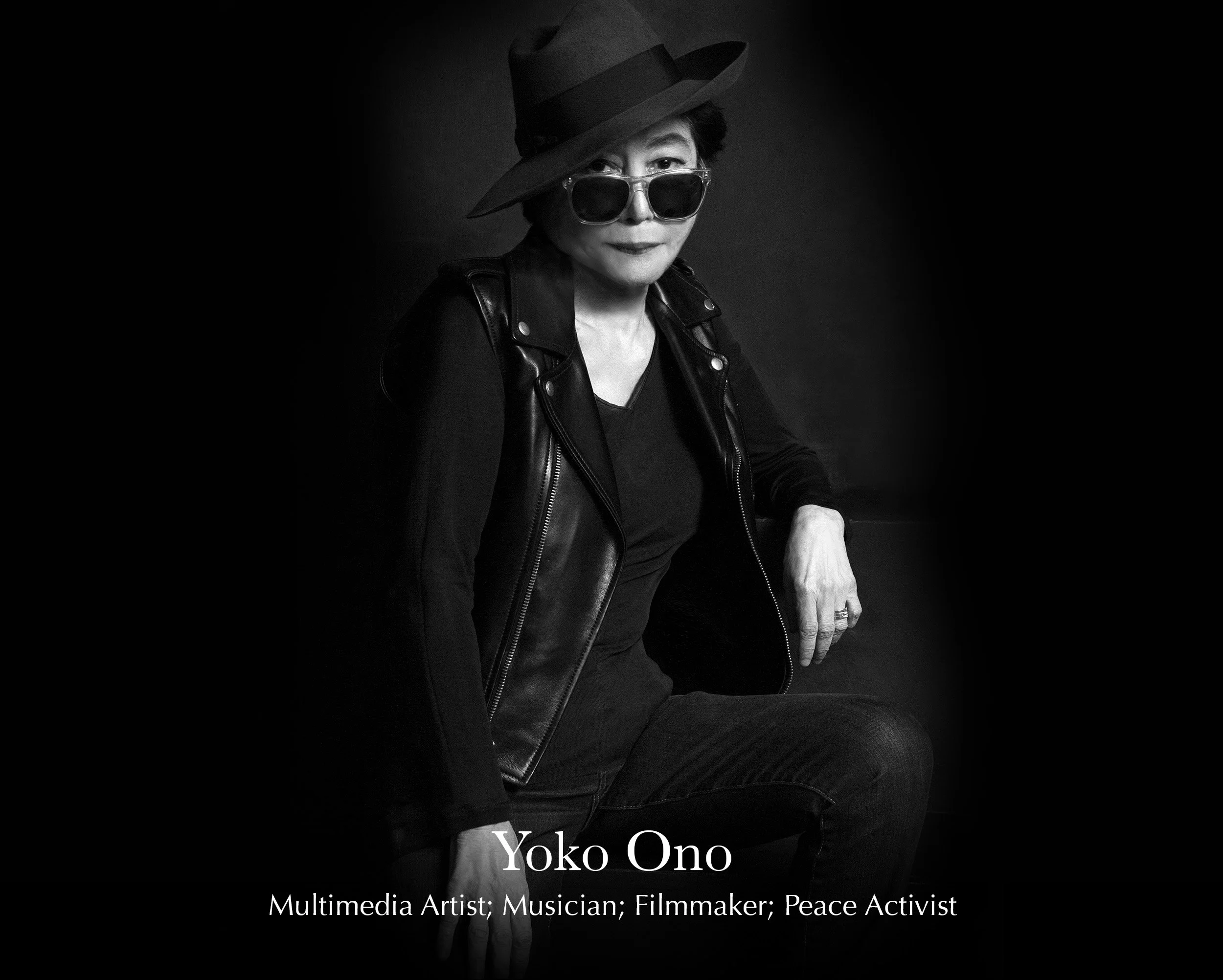
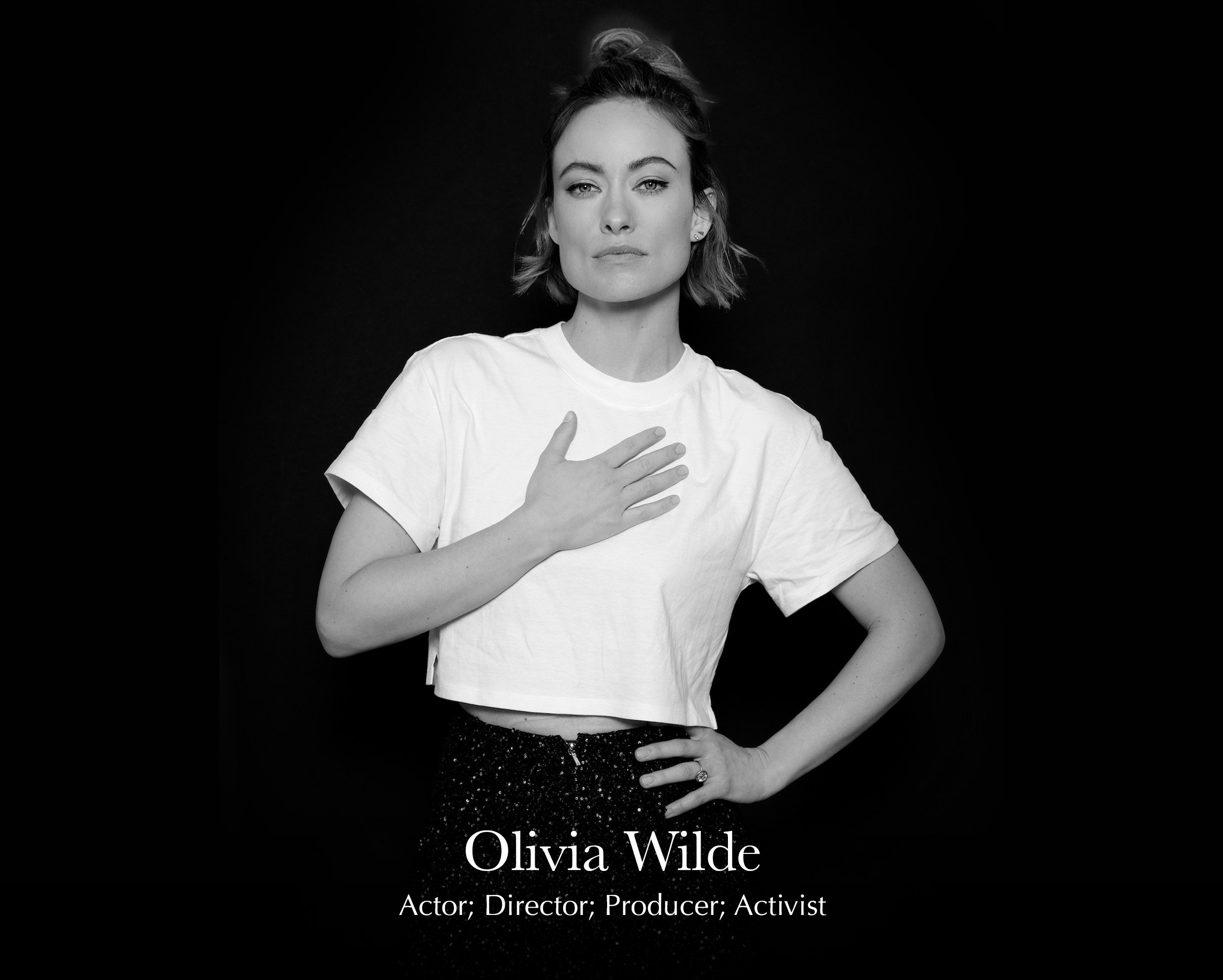
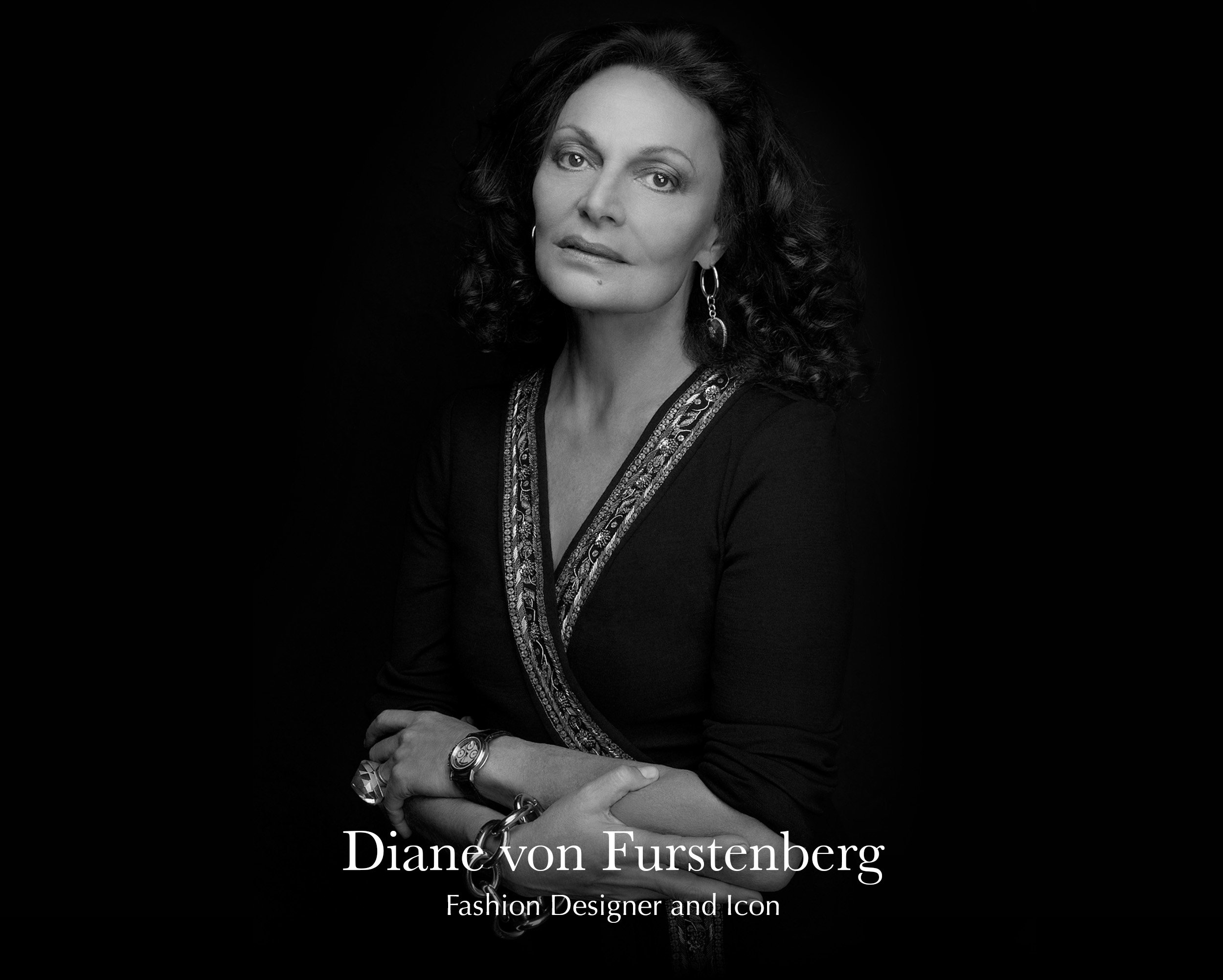
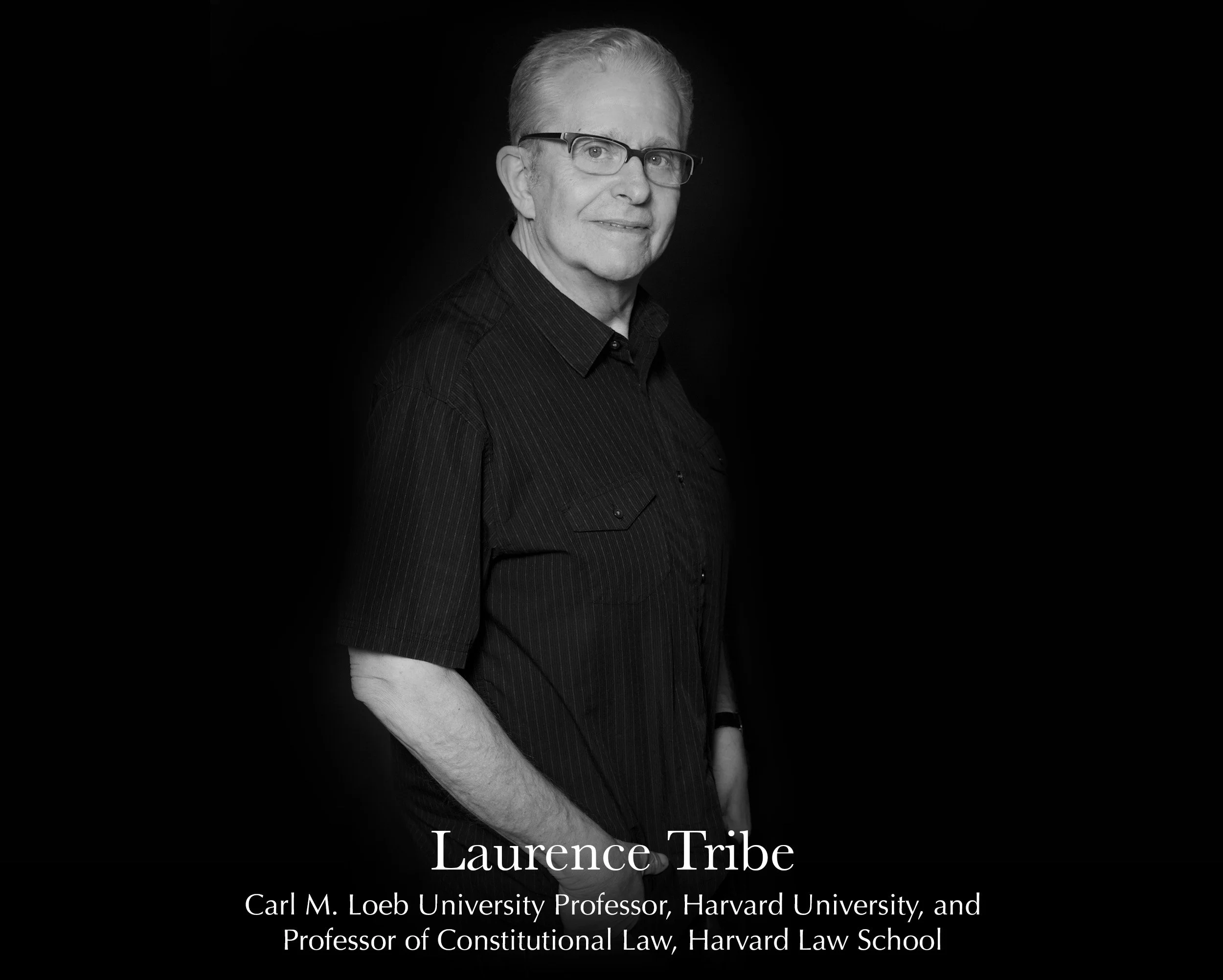


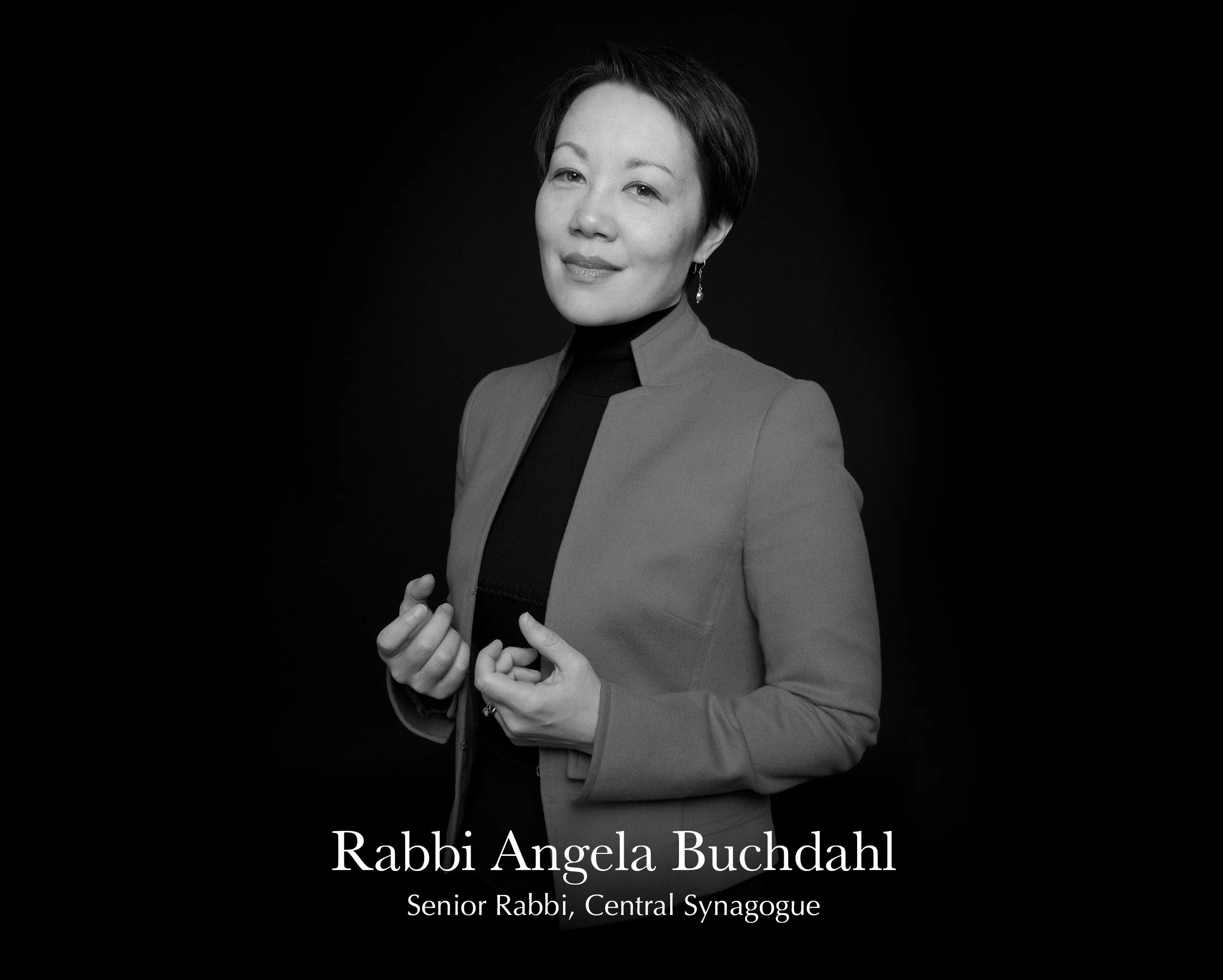
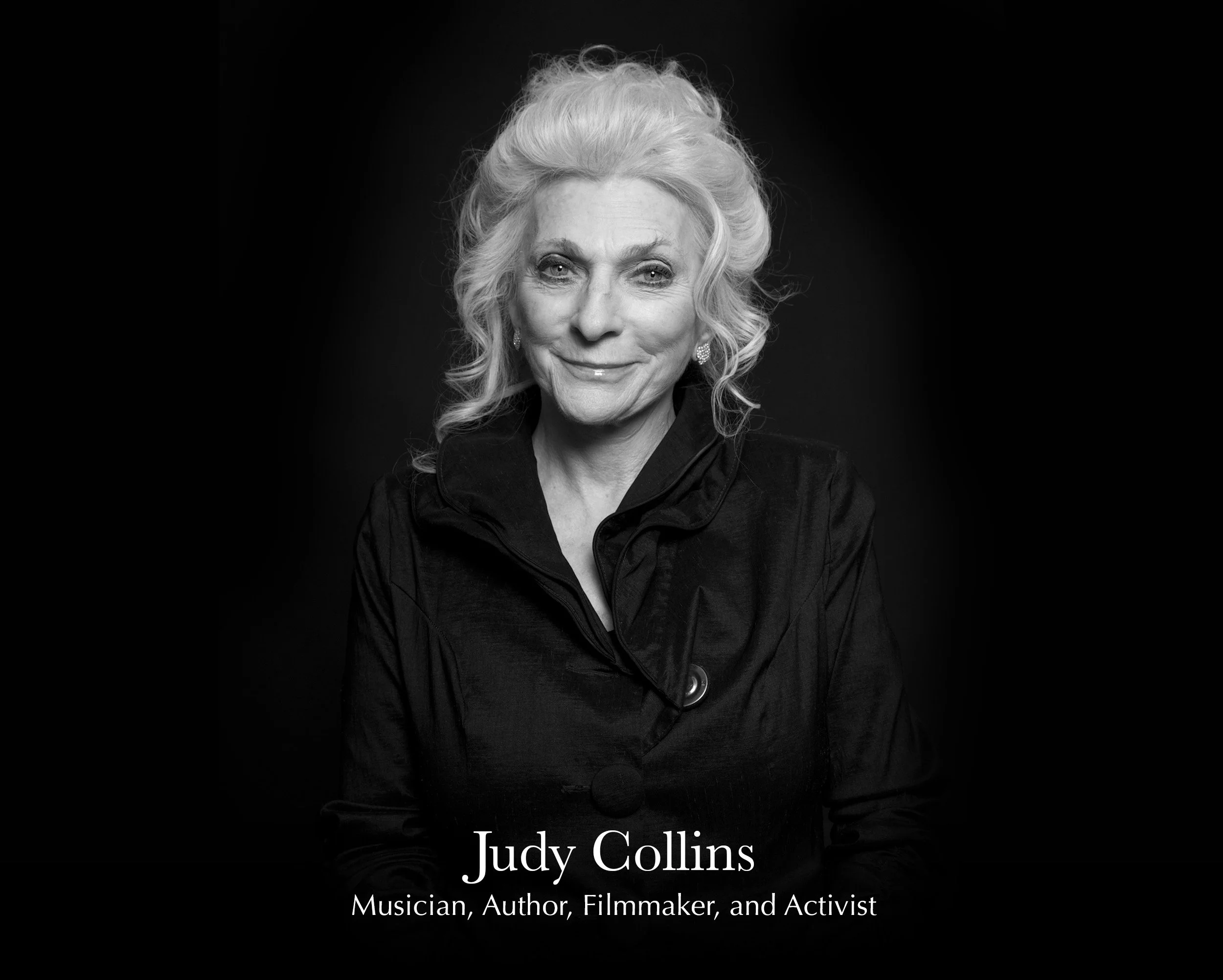
Our gallery of portraits honors brave survivors and other abolitionists, working to ensure that no person can be bought or sold. But our Campaign is more than a collection of photographs. It is a call to recognize a difficult truth: slavery did not vanish with history. It persists today—in hidden rooms, on city streets, and within the shadows of legitimate economies.
Human trafficking and exploitation occur within our own communities. Victims include women and men, girls and boys. Some are brought across borders and trapped through language barriers and immigration vulnerabilities. Many others are born and raised here, targeted by traffickers who exploit poverty, abuse, homelessness, and youth.
“When people tell me that women choose this life, I can’t help but laugh. Do they know how many women like me have tried to escape, but have been beaten black and blue when they are caught? To the men who buy us, we are like meat. To everybody else in society, we simply do not exist.”
– Ayesha, Sex Trafficking SurvivorTraffickers prey on vulnerability, using violence, coercion, and manipulation to maintain control. But traffickers are only part of the equation.
The other is demand.
The buyers who purchase commercial sex—or knowingly benefit from forced labor—create the economic engine that sustains exploitation. When demand is ignored or normalized, trafficking thrives. When buyers are held accountable, the system begins to fracture.
What We Do
We use photography and storytelling as a catalyst for conversation.
Through art exhibitions, panel discussions, interviews, portraiture, and cultural programming, The New Abolitionists brings together survivors, advocates, scholars, policymakers, artists, and thought leaders to examine the realities of exploitation and the systems that sustain it.
We believe meaningful change requires more than awareness alone. It requires honest conversation, informed public discourse, and a willingness to confront difficult questions about power, inequality, demand, and human dignity.
Today's abolitionists come from every walk of life: survivors, activists, lawyers, doctors, educators, philanthropists, policymakers, artists, and community leaders. Some work in the public eye; others labor quietly behind the scenes.
What unites them is a shared conviction:
Human dignity is not negotiable.
The abolitionist legacy did not end in the nineteenth century. Its work remains unfinished.
No person should be bought or sold.